 "City cranes are the unsung heroes of modern urban development. They make the impossible possible, lifting heavy loads high into the sky." Have you ever stopped to watch a crane working in the heart of a busy city? Perhaps you've wondered how construction teams manage to build towering structures in spaces that seem impossibly cramped? Or maybe you've questioned what makes these machines safe enough to operate just metres from pedestrians, traffic, and existing buildings? City cranes are the unsung heroes of modern urban development. They make the impossible possible, lifting heavy loads high into the sky while navigating the unique challenges that come with building in densely populated areas. Without them, our skylines would look vastly different, and many of the residential towers, office blocks, and infrastructure projects we rely on simply wouldn't exist. In this article, we'll explore everything you need to know about city cranes and their vital role in construction. From understanding the different types available to examining the safety features that protect workers and the public, we've got you covered. We'll also look at how these machines boost productivity, what to consider when hiring one, and the common challenges operators face in urban environments. Whether you're a project manager, site supervisor, or simply curious about construction, you'll walk away with valuable insights into how city cranes are shaping our cities. What Are City Cranes and Why Are They Essential?Defining City Cranes: Types and Applications City cranes are specialised lifting equipment designed specifically for urban construction environments. Unlike their rural or industrial counterparts, these machines are built to operate efficiently in confined spaces while maintaining impressive lifting capabilities. The most common types include self-erecting tower cranes, luffing jib cranes, and compact mobile cranes. Self-erecting tower cranes are particularly popular for medium-rise projects. They can be assembled quickly without requiring a secondary crane, making them cost-effective and practical. Luffing jib cranes, on the other hand, feature a unique design that allows the jib to move vertically rather than horizontally. This makes them ideal for sites where multiple cranes operate in close proximity. How Do City Cranes Differ From Standard Construction Cranes? The main difference lies in their design philosophy. Standard cranes prioritise maximum lifting capacity and reach, often requiring substantial ground space for operation. City cranes flip this approach on its head. They're engineered to deliver strong performance within tight footprints. Their compact base dimensions mean they can be positioned in car parks, narrow streets, or building courtyards. Plus, many city crane models feature quieter operation and reduced emissions—important considerations when working near residential areas or during restricted hours. Key Industries That Rely on City Cranes Across Australia, multiple industries depend heavily on city crane capabilities. The residential construction sector uses them extensively for apartment complexes and townhouse developments. Commercial builders rely on them for office towers, retail centres, and mixed-use developments in CBD locations. Infrastructure projects also benefit significantly. Think about hospital expansions, university building upgrades, or public transport stations being constructed alongside existing structures. Even the maintenance and renovation of heritage buildings often requires the precision that only a well-positioned city crane can provide.  "Reaching the top of the highest buildings requires the right crane, careful planning and expert knowledge." Safety First: How City Cranes Protect Workers and the PublicWhat Safety Features Do Modern City Cranes Include? Modern city cranes come packed with sophisticated safety systems. Load moment indicators continuously monitor the weight being lifted and the crane's position, automatically preventing operations that could lead to tipping or overloading. Anti-collision systems use sensors to detect obstacles and other cranes, stopping movements before accidents occur. Wind speed monitors are standard on tower cranes, providing real-time data to operators and triggering automatic shutdowns when conditions become dangerous. Many newer models also include camera systems that give operators clear visibility of blind spots, making precise movements safer and more accurate. Navigating Tight Urban Spaces Without Compromising Safety Operating in confined spaces doesn't mean cutting corners on safety. Experienced operators use detailed lift plans that account for every obstacle, from power lines to adjacent buildings. Ground crews establish clear exclusion zones, even in busy pedestrian areas. Communication is absolutely key. Radio systems keep operators connected with spotters and ground personnel at all times. Some projects even employ dedicated traffic controllers to manage public movement around active lift zones. It's a coordinated effort that prioritises everyone's wellbeing. Compliance With Construction Safety Standards Australian construction sites must adhere to strict regulatory requirements. All city cranes operating here need to meet standards set by Safe Work Australia and relevant state authorities. This includes regular inspections, certified operators, and documented maintenance schedules. Crane operators must hold the appropriate High Risk Work Licence, and companies must maintain comprehensive safety management systems. Reputable hire providers take compliance seriously, providing all necessary documentation and supporting site-specific safety planning.  "City cranes often have to work in restricted spaces between existing buildings and the new building." Efficiency and Productivity on Urban Construction SitesHow Do City Cranes Improve Construction Timelines? Time is money in construction, and city cranes help save plenty of both. Their ability to lift materials directly to upper floors eliminates the need for manual carrying or slower mechanical alternatives. What might take a team of workers an entire day can often be accomplished in hours. Prefabricated components are becoming increasingly popular in urban construction. City cranes make installing these larger, pre-assembled sections straightforward, dramatically reducing on-site labour time and accelerating project completion. Maximising Limited Space: Crane Positioning in CBD Projects CBD projects rarely have the luxury of sprawling staging areas. City cranes address this challenge through clever positioning strategies. Internal climbing systems allow tower cranes to grow alongside the building itself, using the structure for support rather than requiring external space. Mobile city cranes can be repositioned throughout a project as needs change. This flexibility means a single crane can serve multiple purposes across different construction phases, maximising the value of every square metre of available site area. Reducing Downtime and Operational Costs Downtime is a project manager's nightmare. Modern city cranes are designed for reliability, with robust components that withstand demanding urban conditions. Regular servicing schedules, often included in hire agreements, keep machines running smoothly. Quick assembly and disassembly times also contribute to efficiency. Self-erecting models can be operational within hours, not days. When the job's done, they pack down just as quickly, freeing up the site for subsequent construction phases.  "Positioning mobile cranes often require roads to be closed. They also often cannot reach over high structures to get to all areas of the building site." Choosing the Right City Crane for Your ProjectWhat Factors Should You Consider When Hiring a City Crane? Selecting the right crane requires careful analysis of your project's specific needs. Start by assessing the maximum load weights you'll be lifting and the heights those loads need to reach. Consider the site's access constraints—narrow streets or low bridges might limit which crane types can be delivered. Think about the duration of your project too. Short-term hires suit mobile cranes or self-erecting towers, while longer projects might benefit from fixed tower installations. Don't forget to factor in noise restrictions if you're working in residential areas. Tower Cranes vs Mobile Cranes: Which Is Best for Urban Sites? Tower cranes excel on projects requiring consistent, heavy lifting over extended periods. Their fixed position provides stability and impressive reach, making them perfect for high-rise construction. However, they require more planning for installation and eventual removal. Mobile cranes offer flexibility. They can arrive on site, complete specific lifts, and leave the same day. This makes them ideal for shorter tasks or sites where permanent crane installation isn't practical. Many urban projects actually use both types at different stages. Load Capacity and Reach Requirements Getting these calculations right is non-negotiable. Underestimate your load requirements, and you'll face delays while arranging additional equipment. Overspecify, and you'll pay for capacity you don't need. Work closely with your crane hire provider to determine exact specifications. Provide detailed information about your heaviest lifts and the distances involved. Experienced providers can recommend the most cost-effective solution that meets your requirements without unnecessary extras.  "Will your crane reach where it needs to get to? An expert crane hire provider will help you avoid expensive mistakes that could even lead to an accident." City Crane Hire: What to Expect From a Reputable ProviderAre City Cranes Expensive to Hire? Costs vary significantly based on crane type, duration, and included services. Mobile crane hire might start from a few thousand dollars per day, while tower crane installations involve higher upfront costs but prove economical over longer projects. What's more, many factors affect final pricing. Request detailed quotes from multiple providers. Look beyond the base rate to understand what's included—operators, rigging crews, maintenance, and insurance can all impact total project costs. Understanding Crane Hire Contracts and Inclusions Hire contracts should clearly outline responsibilities. Confirm whether the provider supplies qualified operators or if you need to arrange your own. Understand the maintenance arrangements and what happens if equipment breaks down. Insurance coverage is critical. Verify that adequate public liability and equipment insurance is in place. Any reputable provider will happily discuss these details and provide documentation. Questions to Ask Before Booking a City Crane Prepare a list of essential questions. Ask about the provider's experience with similar urban projects. Enquire about backup equipment availability should your primary crane require repairs. Confirm delivery and setup timeframes to avoid schedule conflicts. Don't hesitate to request references from previous clients. A quality provider will be proud of their track record and happy to connect you with satisfied customers. Common Challenges in Urban Crane Operations and How to Overcome ThemUrban crane operations face unique obstacles that require creative problem-solving. Limited access routes can complicate crane delivery—early coordination with local councils for road closures or traffic management often solves this issue. Weather delays affect all construction, but urban sites face additional pressure from surrounding stakeholders. Building strong relationships with neighbouring businesses and residents helps maintain goodwill when minor disruptions occur. Neighbouring buildings and existing infrastructure create working restrictions. Comprehensive surveys before crane installation identify potential conflicts. Using luffing jib cranes or carefully planned swing radiuses keeps operations safe and compliant.  "Using luffing jib cranes or carefully planned swing radiuses keeps operations safe and compliant." Building Safer, Smarter Cities With the Right Crane SolutionsCity cranes truly are the backbone of modern urban construction. They enable projects that would otherwise be impossible, lifting everything from structural steel to rooftop equipment with precision and reliability. Their specialised design addresses the unique challenges of building in confined, busy environments. Safety remains paramount in everything these machines do. From sophisticated monitoring systems to strict regulatory compliance, the industry has made remarkable progress in protecting workers and the public alike. When combined with proper planning and qualified operators, city cranes deliver exceptional performance without compromising anyone's wellbeing. Choosing the right crane and the right hire provider makes all the difference to your project's success. Take time to understand your requirements, ask the right questions, and partner with experienced professionals who understand urban construction. The investment in proper planning pays dividends through smoother operations, reduced delays, and ultimately, better outcomes for everyone involved. Your next project deserves nothing less than the best crane solution available. AuthorJessica Curry is a professional writer specialising in home improvement, health, business, and automotive topics. She creates informative content on building industry practices, including practical guides on expert city cranes in Brisbane. Her work also covers contemporary construction practices, highlighting the importance of skilled trades, site safety, and environmental compliance across Australian building projects. Looking For More Information About Managing Construction Projects?
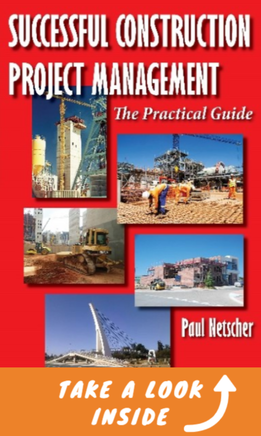
Paul Netscher has written several easy-to-read books for owners, contractors, construction managers, construction supervisors and foremen. They cover all aspects of construction management and are filled with tips and insights. Visit to read more. The books are available in paper and ebook from most online stores including Amazon. This article is a guest post and the owners of this website take no responsibility for the content or it's originality. The website publishes this article in good faith with the undertaking from the author and supplier that the content has not been plagiarised. Please report any errors in the article to the website owners. Should you prove the content is not original the article will be immediately taken down. Reader comments: We welcome genuine comments, especially comments that add additional information to the subject matter in the article. We however reserve the right to remove inappropriate comments, which includes comments that have nothing to do with the subject, comments that include inappropriate language, and comments that are an advertisement for a product or company, or which include an advertising link. We will not enter into discussion on why a particular comment was removed. Comments are only published after review.
0 Comments
|


Archives
August 2026
Note: We welcome genuine comments, especially comments that add additional information to the subject matter in the article. We however reserve the right to remove inappropriate comments, which includes comments that have nothing to do with the subject, comments that include inappropriate language, and comments that are an advertisement for a product or company, or which include an advertising link. Comments must be in English. We will not enter into discussion on why a particular comment was removed.
CategoriesCopyright 2016 - The attached articles cannot be reproduced for commercial purposes without the consent of the author.
The opinions expressed in the attached articles are those of the writer. It should be noted that projects are varied and different laws and restrictions apply which depend on the location of the contractor and the project. It's important that the reader uses the supplied information taking cognisance of their particular circumstances. The writer assumes no responsibility or liability for any loss of any kind arising from the reader using the information or advice contained herein. 
"I have what I consider some of the best books on construction management."
Books are available from: Amazon.com Amazon.co.uk takealot.com kalahari.com Amazon.in Amazon.de Amazon.fr Amazon.it Amazon.com.au Powell's Fishpond uread bokus Amazon.ca Amazon.es Other retail stores Available in paperback or on Kindle 
"28 YEARS OF CONSTRUCTION PROJECT MANAGEMENT EXPERIENCE, DEVELOPING SUCCESSFUL CONSTRUCTION PROJECT MANAGERS AND BUILDING SUCCESSFUL CONSTRUCTION COMPANIES"


|

 RSS Feed