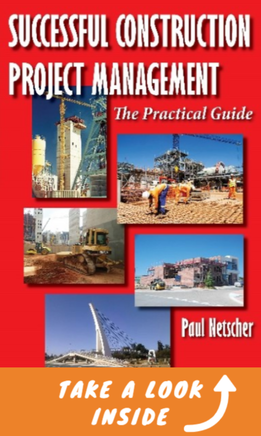
 "Demolishing some structures, like bridges over operating freeways, must be done quickly and safely, so require innovative solutions and good planning." Concrete removal might not sound glamorous, but it's absolutely critical for anyone working in construction or redevelopment. Old driveways, cracked foundations, industrial floor slabs, and outdated structures all need clearing before new work can begin. The challenge? Finding a service that's both fast and reliable. Too many contractors promise the world but deliver delays, unexpected costs, and headaches that nobody needs. In this guide, we'll walk you through everything you need to know about concrete removal services. You'll discover the different methods professionals use, what influences pricing, and how to choose a contractor who actually delivers on their promises. We'll also cover environmental considerations, safety standards, and common challenges you might face. By the end, you'll have the knowledge to get your project started on solid ground quite literally. Understanding Concrete Removal ServicesConcrete removal involves breaking up and clearing away existing concrete structures to prepare a site for new construction or renovation. You might need this service when replacing an old driveway, removing a damaged patio, clearing industrial floor slabs, or demolishing foundations before redevelopment. Essentially, any project that requires a clean slate will likely involve some form of concrete removal. The types of structures commonly removed include residential driveways, pathways, patios, garage floors, and house foundations. On commercial and industrial sites, you'll often see large floor slabs, loading docks, car parks, and structural walls being cleared. Infrastructure projects might require removing bridge decks, road surfaces, or retaining walls. It's worth noting the difference between concrete removal and full demolition. Concrete removal typically focuses on specific concrete elements while preserving surrounding structures. Demolition, on the other hand, involves bringing down entire buildings or significant portions of them. Understanding this distinction helps you communicate your needs clearly to contractors and ensures you get accurate quotes for your specific project requirements.  pexels-gleb-zhizhikin "Specialist equipment can make demolition safer, easier, and quicker." Why Speed and Reliability Are Critical for Construction SitesDelays in concrete removal create a domino effect across your entire project. When removal takes longer than expected, every subsequent trade from plumbers to builders gets pushed back. Site managers end up juggling schedules, workers sit idle, and the pressure mounts with each passing day. For commercial projects, these delays can mean lost revenue and missed opening dates. The true cost of unreliable contractors extends beyond the obvious. Yes, there's the direct financial impact of extended hire fees for equipment and additional labour costs. But consider the hidden expenses too: penalty clauses in contracts, damaged relationships with clients, and the stress of explaining why your project is running behind schedule. Choosing a contractor who prioritises both speed and reliability isn't just about convenience. It's about protecting your budget, your timeline, and your professional reputation. A team that arrives when promised, works efficiently, and completes the job without cutting corners is worth their weight in concrete if you'll pardon the expression. Concrete Removal Methods: Choosing the Right ApproachDifferent situations call for different techniques, and understanding your options helps you make informed decisions about your project. Hydraulic Breaking and Jackhammering This traditional method remains popular for good reason. Hydraulic breakers and jackhammers effectively break up concrete into manageable pieces for removal. They're particularly useful for medium-sized residential projects like driveway or patio removal. While straightforward, this approach can be noisy and time-consuming for larger jobs. Diamond Wire Sawing and Cutting When precision matters, diamond wire sawing delivers clean, accurate cuts through concrete. This method works brilliantly for situations requiring controlled removal without damaging adjacent structures. It's quieter than breaking and produces less vibration, making it ideal for sensitive environments. Controlled Demolition and Robotic Solutions For complex projects or confined spaces, controlled demolition techniques and robotic demolition equipment offer excellent solutions. Robotic machines can access areas too dangerous or cramped for human operators, providing exceptional precision while keeping workers safe. These methods shine on large industrial sites or when working around active facilities.  pexels-thom-gonzalez "Small demolition jobs can be done by hand." Removing Thick Concrete SlabsHow do professionals tackle those seriously thick slabs? Typically, they combine methods starting with sawing to create manageable sections, then using hydraulic breakers to fragment the concrete. Reinforced sections require additional cutting to handle the steel within. The key lies in proper planning and having the right equipment on site. Equipment and Technology in Modern Concrete RemovalModern concrete removal relies on impressive machinery. You'll commonly see hydraulic excavators fitted with breaker attachments, skid-steer loaders, concrete crushers, and diamond cutting equipment on Australian sites. For larger projects, tower cranes and wrecking balls might make an appearance, while robotic demolition machines handle the trickiest situations. Technology has transformed this industry significantly. GPS tracking helps manage logistics and keeps projects on schedule. Dust suppression systems protect worker health and meet environmental regulations. Modern equipment operates more efficiently, reducing fuel consumption and emissions whilst getting jobs done faster. These advances benefit everyone contractors work more safely, clients see quicker turnarounds, and surrounding communities experience less disruption.  pexels-aleksandr-sochnev "Large demolition jobs demand bigger equipment. A good demolition company will source the right equipment for your project." Concrete Removal for Different Project TypesResidential Projects Homeowners typically need concrete removal for driveways, patios, paths, and occasionally foundations. These jobs require careful attention to property boundaries and existing landscaping. A good contractor will protect your garden beds and ensure access for removal vehicles without damaging your property. Commercial and Industrial Sites Larger scale operations involve warehouse floors, factory slabs, and commercial building foundations. These projects often require working around operational businesses, meaning timing and minimal disruption become paramount. Coordination with site managers ensures work progresses smoothly. Redevelopment and Infrastructure Preparing brownfield sites for new construction often involves extensive concrete removal. Similarly, infrastructure projects roads, bridges, and civil works require specialised approaches to handle reinforced structures while maintaining safety for workers and the public. Environmental Considerations and Waste ManagementCan concrete be recycled after removal? Absolutely! Crushed concrete makes excellent road base, drainage material, and aggregate for new concrete. Most reputable contractors now prioritise recycling over landfill disposal, which benefits both the environment and your pocket recycling often costs less than dumping. Australian regulations require proper waste management on construction sites. Contractors must dispose of materials at licensed facilities and maintain records of waste handling. Sustainable practices extend beyond recycling to include dust suppression, noise management, and protecting surrounding ecosystems during works.  "Sorting and recycling demolished material is important." Safety Standards and Compliance When Demolishing ConcreteConcrete removal presents genuine hazards flying debris, heavy machinery, dust, noise, and the risk of structural collapse all require careful management. Australian Workplace Health and Safety requirements mandate specific controls, including protective equipment, exclusion zones, and trained operators. Choosing the Right Contractor for Your Demolition JobLook for contractors with proven experience in projects similar to yours. Check reviews and ask for references from recent clients. Ensure they carry appropriate insurance and hold relevant licences for your state or territory. Before signing anything, ask key questions: What's included in the quote? How do they handle unexpected issues like discovering additional reinforcement? What's their timeline, and do they guarantee completion dates? What disposal methods do they use? The Concrete Removal Process: What to ExpectYour project begins with a site assessment. Contractors evaluate the concrete's condition, thickness, and reinforcement. They'll identify any utilities, assess access, and develop a removal plan tailored to your site. During execution, expect regular communication about progress and any issues encountered. Good contractors manage their timelines carefully, keeping you informed throughout. Once removal completes, they'll handle clean-up, waste disposal, and hand the site back ready for your next phase. Getting Your Project Started on Solid GroundConcrete removal might seem straightforward, but as we've explored, there's plenty to consider when approaching your project. From choosing the right method and equipment to understanding costs and environmental responsibilities, being informed helps you make better decisions. AuthorZoe Sewell is a passionate writer to write about home improvement, Concrete removal, Health, Business and Fashion with lots of helpful information for readers. Looking For More Information About Managing Construction Projects? Paul Netscher has written several easy-to-read books for owners, contractors, construction managers, construction supervisors and foremen. They cover all aspects of construction management and are filled with tips and insights. Visit to read more. The books are available in paper and ebook from most online stores including Amazon. This article is a guest post and the owners of this website take no responsibility for the content or it's originality. The website publishes this article in good faith with the undertaking from the author and supplier that the content has not been plagiarised. Please report any errors in the article to the website owners. Should you prove the content is not original the article will be immediately taken down. Reader comments: We welcome genuine comments, especially comments that add additional information to the subject matter in the article. We however reserve the right to remove inappropriate comments, which includes comments that have nothing to do with the subject, comments that include inappropriate language, and comments that are an advertisement for a product or company, or which include an advertising link. We will not enter into discussion on why a particular comment was removed. Comments are only published after review.
0 Comments
Your comment will be posted after it is approved.
Leave a Reply. |


Archives
August 2026
Note: We welcome genuine comments, especially comments that add additional information to the subject matter in the article. We however reserve the right to remove inappropriate comments, which includes comments that have nothing to do with the subject, comments that include inappropriate language, and comments that are an advertisement for a product or company, or which include an advertising link. Comments must be in English. We will not enter into discussion on why a particular comment was removed.
CategoriesCopyright 2016 - The attached articles cannot be reproduced for commercial purposes without the consent of the author.
The opinions expressed in the attached articles are those of the writer. It should be noted that projects are varied and different laws and restrictions apply which depend on the location of the contractor and the project. It's important that the reader uses the supplied information taking cognisance of their particular circumstances. The writer assumes no responsibility or liability for any loss of any kind arising from the reader using the information or advice contained herein. 
"I have what I consider some of the best books on construction management."
Books are available from: Amazon.com Amazon.co.uk takealot.com kalahari.com Amazon.in Amazon.de Amazon.fr Amazon.it Amazon.com.au Powell's Fishpond uread bokus Amazon.ca Amazon.es Other retail stores Available in paperback or on Kindle 
"28 YEARS OF CONSTRUCTION PROJECT MANAGEMENT EXPERIENCE, DEVELOPING SUCCESSFUL CONSTRUCTION PROJECT MANAGERS AND BUILDING SUCCESSFUL CONSTRUCTION COMPANIES"


|
 RSS Feed