 "Your building project is only as good as the builder you choose. Get it right, and you'll have a smooth, enjoyable experience with results that exceed your expectations." Are you dreaming of transforming your tired old kitchen into a stunning culinary haven? Perhaps you're picturing that gorgeous extension you've always wanted? Or maybe you're simply wondering where on earth to begin when it comes to selecting a builder who won't leave you with half-finished walls and a mountain of stress? Here's the thing – your renovation project is only as good as the builder you choose. Get it right, and you'll have a smooth, enjoyable experience with results that exceed your expectations. Get it wrong, and you could be looking at delays, budget blowouts, and sleepless nights. It's genuinely that important. In this guide, we're going to walk you through everything you need to know about how to choose a builder for your home renovation. From understanding your project needs to vetting credentials, comparing quotes, and spotting red flags, we've got you covered. By the end, you'll feel confident and prepared to make one of the most important decisions of your renovation journey. How to Choose a Builder: Understanding What You Actually Need Before you start scrolling through directories or asking mates for recommendations, take a step back. What exactly do you need? Defining Your Renovation Scope and Budget First things first – get crystal clear on your project scope. Are you doing a simple bathroom refresh or a full home transformation? Knowing your scope helps you find the building team with the right expertise. Budget matters too. Be realistic about what you can afford, and always factor in a contingency of around 10-15%. This gives you breathing room when unexpected costs pop up – and trust us, they often do. New Build vs Renovation: Does It Change How You Pick a Home Builder? Absolutely. How to pick a home builder for a new construction differs from choosing one for renovations. New builds require project management from the ground up, while renovations demand problem-solving skills and adaptability. Renovation specialists understand the quirks of working with existing structures, heritage considerations, and the surprises hiding behind old walls.  "Renovation specialists understand the quirks of working with existing structures." How to Find a Good Builder: Where to Start Your Search So you know what you need. Now, where do you actually find these builders? Personal Recommendations and Word of Mouth Start with your network. Ask friends, family, and colleagues who've recently renovated. Personal recommendations are gold because you're getting honest feedback from people you trust. Don't be shy about asking detailed questions. How did the builder handle problems? Did they stick to budget? Would they use them again? Online Directories and Review Platforms When personal recommendations run dry, online platforms become your best friend. Sites like Hipages, ServiceSeeking, and Houzz can help with finding a builder to build a house or renovate your existing home. Look for builders with consistent positive reviews, detailed portfolios, and proper credentials. The top builders in Melbourne and other major cities usually have strong online presences. Boutique Builders vs Large ContractorsHere's a choice worth considering. Boutique building firms often provide personalised attention and flexibility. Larger companies might offer more resources and established processes. Neither is inherently better – it depends on your project and preferences. Some homeowners love the hands-on approach of smaller teams, while others feel more secure with bigger, well-established firms. How to Check Out a Builder: Essential Vetting Steps Found some promising candidates? Brilliant. Now it's time to do your homework. Verifying Licences and Insurance Credentials This is non-negotiable. Always check your builder holds the appropriate licences for your state. Insurance is equally crucial. Confirm they have public liability insurance and home warranty insurance. Without these, you're taking on unnecessary risk. Reviewing Past Projects and Portfolios A builder's past work tells you everything about their capabilities. Ask for portfolios and, if possible, arrange visits to completed projects. Pay attention to the quality of finishes, attention to detail, and whether their style aligns with your vision. If you're after a sleek, modern look, make sure that's what they've delivered before. Understanding Their Experience with Similar Renovations Experience matters – but specific experience matters more. A builder who's completed dozens of kitchen renovations might struggle with a complex heritage restoration. Ask pointed questions about projects similar to yours. How to check out a builder effectively means understanding whether they've successfully tackled your type of project before. How to Select a Builder Based on Reviews and Reputation Online reviews can be incredibly helpful, but you need to read them with a critical eye. Don't just look at star ratings. Read the actual comments. Look for patterns – if multiple reviews mention communication issues or timeline problems, take note. Recent reviews are more valuable than old ones. A builder might have improved significantly (or declined) over the years. Spotting Red Flags in Builder Feedback Watch out for responses to negative reviews. How a builder handles criticism reveals their character. Defensive, aggressive responses are concerning. Other red flags include reviews that mention disappearing mid-project, demanding excessive upfront payments, or refusing to fix defects. These are warning signs you shouldn't ignore.
"Always check your builder holds the appropriate licences for your state. Insurance is equally crucial." Getting Quotes: Comparing Your Builders Pick You've narrowed down your builders pick – now it's time to get quotes. How Many Quotes Should You Get? Three quotes is the sweet spot for most projects. Fewer than that limits your comparison options. More than five becomes overwhelming and time-consuming. Make sure each builder quotes on identical specifications. Otherwise, you're comparing apples with oranges. Understanding What's Included (and What's Not) The cheapest quote isn't always the best choice. Scrutinise what's included carefully. Does the quote cover permits and council fees? What about waste removal? Are finishes specified, or will you face unexpected upgrade costs later? A detailed, transparent quote – even if slightly higher – often represents better value.  "The cheapest quote isn't always the best choice." Questions to Ask Before Signing a Contract Before you commit, have a proper conversation with your preferred builder. Some items to discuss include: Timeline and Project Management Expectations Ask about realistic timelines. When will they start? How long will the project take? Who manages day-to-day operations? Understanding their workflow helps set expectations. Good builders will be honest about potential delays and how they'll communicate progress. Handling Variations and Unexpected Costs Renovations rarely go exactly to plan. Ask how they handle variations – changes to the original scope that arise during construction. Get clarity on approval processes and pricing for variations. This prevents nasty surprises when your quote suddenly balloons. How to Choose a Builder for a Renovation vs a New Build? How to choose a builder for a renovation requires different considerations than choosing one for new construction. Why Renovation Specialists Matter Renovation work involves unique challenges. Existing structures hide surprises – old wiring, asbestos, structural issues you couldn't see beforehand. Experienced renovation builders anticipate these challenges. They've developed problem-solving skills that new-build specialists might lack. If you're finding the right builder for renovation work, prioritise this specific experience. Red Flags to Watch Out For When Finding the Right Builder Keep your eyes open for warning signs that could save you heartache. Warning Signs During Initial Consultations Does the builder seem disinterested or rushed? Are they reluctant to provide references? Do they pressure you for quick decisions? Trust your instincts. Professional builders take time to understand your needs, answer questions thoroughly, and make you feel confident in their abilities. Contract Clauses That Should Concern You Watch for vague contract terms, excessive deposit requirements (anything over 10% upfront is concerning), or clauses that limit their liability unfairly. Consider having a solicitor review contracts for larger projects. The investment is worth the protection.  "Watch for vague contract terms, excessive deposit requirements, or clauses that limit the contractor's liability unfairly." Making Your Final Decision: Trusting Your Instincts You've done the research, compared quotes, and checked credentials. Now what? Balancing Research with Gut Feeling Data matters, but so does intuition. How to select a builder ultimately comes down to trusting both your research and your instincts. Did one builder make you feel genuinely understood? Did they seem enthusiastic about your project? These feelings count for something. The Importance of Clear Communication Choose someone you communicate well with. You'll be working closely with this person for weeks or months. If communication feels difficult now, it'll only get worse during the stressful moments of your renovation. Your Renovation Success Starts with the Right Builder Choosing the right builder for home renovation is arguably the most important decision you'll make in your renovation journey. It affects everything – from your stress levels to your final results and your budget. Take your time with this decision. Do your research thoroughly. Check credentials, compare quotes, ask the right questions, and trust your instincts. A little extra effort now prevents major headaches later. Your dream renovation is absolutely achievable with the right team beside you. So go ahead – start your search with confidence. You've got this, and your stunning new space is waiting just around the corner. AuthorDavid Fenton is a passionate blogger and content creator who writes about lifestyle, home improvement, home renovation, and digital trends. With a knack for turning everyday experiences into engaging stories, David aims to inspire and inform his readers with practical tips and fresh insights. Want more expert advice to help you design, build and renovate your home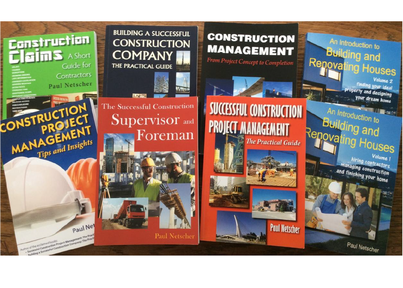 Paul Netscher has written 2 easy to read books for home owners, renovators, and home builders, 'An Introduction to Building and Renovating Houses - Volumes 1 and 2'. An Introduction to Building and Renovating Houses Volume 1 deals with Hiring Contractors, Managing Construction and Finishing Your Home. and Designing your ideal home Volume 2 deals with Finding Your Ideal Property and Designing Your Dream Home. Paul has also written several other books for contractors. Everyone in the construction industry, from those new to the industry to more experienced individuals will find a useful book. ("Great for those that DIY. Very helpful in home renovations!" said a Reader on Amazon.com 5*****) These books are available from Amazon and other online bookstores in paper and ebook. This article is a guest post and the owners of this website take no responsibility for the content or it's originality. The website publishes this article in good faith with the undertaking from the author and supplier that the content has not been plagiarised. Please report any errors in the article to the website owners. Should you prove the content is not original the article will be immediately taken down. We welcome genuine comments, especially comments that add additional information to the subject matter in the article. We however reserve the right to remove inappropriate comments, which includes comments that have nothing to do with the subject, comments that include inappropriate language, and comments that are an advertisement for a product or company, or which include an advertising link. Only comments in English will be accepted. We will not enter into discussion on why a comment was removed.
0 Comments
 Image by All Areas Tiling from Pixabay "Does your bathroom need an upgrade but you are unsure of where to begin?" Bathroom renovations are a common home improvement project, but one question almost every homeowner asks at the beginning is simple: how long will it take? The answer is not always straightforward. While bathrooms are smaller spaces, they involve several stages of work, from demolition to plumbing and tiling. Each step needs time, and sometimes patience as well. For homeowners planning a bathroom renovation having a clear idea of the expected timeline can make the process easier to manage. It helps with scheduling, budgeting, and preparing for the temporary inconvenience of having a bathroom out of use. This article covers the typical timeline of a bathroom renovation and the main factors that can influence how long the project takes. The Typical Duration of a Bathroom RenovationIn most homes, a standard bathroom renovation takes two to four weeks after construction begins. This timeline applies to a full renovation that includes replacing tiles, updating fixtures, and making minor plumbing or electrical adjustments. It is important to remember that each project is different. Some renovations move quickly when everything goes according to plan. Others take a little longer due to unexpected repairs or delays in materials. The stages of a Bathroom Renovation- Planning and Design Stage Before any physical work begins, the renovation must be planned carefully. This stage involves selecting tiles, fixtures, colours, and the overall layout of the bathroom. Planning takes one to three weeks, depending on how quickly decisions are made. Homeowners may visit showrooms, review design ideas, and compare different materials. Contractors may also inspect the space to confirm plumbing locations and measurements. Although this stage can feel slow, it is important for avoiding problems later. When design choices are clear from the beginning, the construction phase moves much more smoothly. - Demolition and Preparation Once the design and materials are finalised, the first step in the construction process is demolition. During this stage, old tiles, cabinets, fixtures, and fittings are removed from the bathroom. Demolition takes one to two days, depending on the size of the space and the condition of the existing structure. The goal is to create a clean area where the new bathroom can be built. Occasionally, demolition reveals hidden issues such as water damage or outdated plumbing. When this happens, additional repairs may be required before the renovation continues. Older properties sometimes require a bit more preparation during this stage.  "More complex bathroom renovations that require walls to be moved will take longer." - Plumbing and Electrical Work After demolition, plumbing and electrical systems are installed or adjusted. If the layout of the bathroom is changing, pipes may need to be repositioned for the shower, sink, or toilet. Electricians may also install new lighting, switches, or exhaust fans. This stage takes two to four days, depending on the complexity of the work.  "Pipes may need to be repositioned." - Waterproofing Waterproofing is the most important stage of any bathroom renovation. Without proper waterproofing, moisture can cause damage to floors, walls, and surrounding structures over time. During this stage, a waterproof membrane is applied to areas that will be exposed to water. The application itself may take only a day, but the material must cure properly. In most cases, waterproofing requires 24 to 48 hours to dry before the next stage can begin. While this waiting period may seem slow, it is necessary to ensure long-term durability. - Tiling Installation Once waterproofing is complete, tiling can begin. Tiles are installed on the floor and walls, and the process requires careful measuring, cutting, and alignment. This stage takes three to six days, depending on the size of the bathroom and the complexity of the tile pattern. Simple layouts may be completed faster, while decorative patterns or smaller tiles require more time. After the tiles are installed, grout is applied and allowed to dry. This step gives the bathroom its finished surface and plays an important role in protecting the structure from moisture. - Installing Fixtures and Fittings After tiling is finished, the bathroom begins to look complete. Fixtures such as the vanity, toilet, shower screen, taps, mirrors, and accessories are installed. This stage normally takes two to three days. Plumbing fixtures are connected, lighting is tested, and small adjustments are made to ensure everything functions correctly. - Final Inspection and Cleaning The final stage of the renovation is inspection and cleaning. Contractors review the work to ensure plumbing, electrical connections, and waterproofing meet the required standards. Any small adjustments or finishing touches are completed during this stage. The area is also cleaned, and leftover construction materials are removed. This process usually takes one day, after which the bathroom is ready for use.  "A final inspection means checking that all plumbing is working and there are no leaks." Factors That May Affect Your Bathroom Renovation Time While the typical renovation timeline is fairly predictable, a few factors can influence how long the project takes. Some of the most common factors include:
The Right Renovation Specialist Will Make Your Bathroom Renovation EasyBathroom renovations take two to four weeks once construction begins, although the planning stage add additional time before the work starts. The process includes several important steps such as demolition, plumbing, waterproofing, tiling, and fixture installation. With proper planning and experienced professionals, most projects move smoothly and deliver a bathroom that improves comfort and value within the home. AuthorArianna Kelly is a professional blogger who loves to write on numerous topics such as, environment, home improvement, solar panel, home decor, etc. And, in the above article, she covers brilliant tips For homeowners planning a bathroom renovation in Williamstown Want more expert advice to help you design, build and renovate your home
Paul Netscher has written 2 easy to read books for home owners, renovators, and home builders, 'An Introduction to Building and Renovating Houses - Volumes 1 and 2'. An Introduction to Building and Renovating Houses Volume 1 deals with Hiring Contractors, Managing Construction and Finishing Your Home. and Designing your ideal home Volume 2 deals with Finding Your Ideal Property and Designing Your Dream Home. Paul has also written several other books for contractors. Everyone in the construction industry, from those new to the industry to more experienced individuals will find a useful book. ("Great for those that DIY. Very helpful in home renovations!" said a Reader on Amazon.com 5*****) These books are available from Amazon and other online bookstores in paper and ebook. This article is a guest post and the owners of this website take no responsibility for the content or it's originality. The website publishes this article in good faith with the undertaking from the author and supplier that the content has not been plagiarised. Please report any errors in the article to the website owners. Should you prove the content is not original the article will be immediately taken down. We welcome genuine comments, especially comments that add additional information to the subject matter in the article. We however reserve the right to remove inappropriate comments, which includes comments that have nothing to do with the subject, comments that include inappropriate language, and comments that are an advertisement for a product or company, or which include an advertising link. Only comments in English will be accepted. We will not enter into discussion on why a comment was removed.
|
AuthorI’m a construction professional, author of several successful construction management books, and a home owner. I’ve made mistakes in construction management, I’ve seen others make mistakes, but importantly I’ve had multiple successful construction projects and I’ve learned from the mistakes. I want to share these lessons and my knowledge with you. 
Also available from:
Amazon Au, Amazon DE, Amazon ES, Amazon CA, Amazon IT, Amazon FR, Amazon NL, Amazon India and 'An Introduction to Building Houses - Volume 2 Finding Your Ideal Property and Designing Your Dream Home'

Archives
July 2026
Categories


We welcome genuine comments, especially comments that add additional information to the subject matter in the article. We however reserve the right to remove inappropriate comments, which includes comments that have nothing to do with the subject, comments that include inappropriate language, and comments that are an advertisement for a product or company, or which include an advertising link. Comments must be in English. We will not enter into discussion on why a particular comment was removed.
|


 RSS Feed