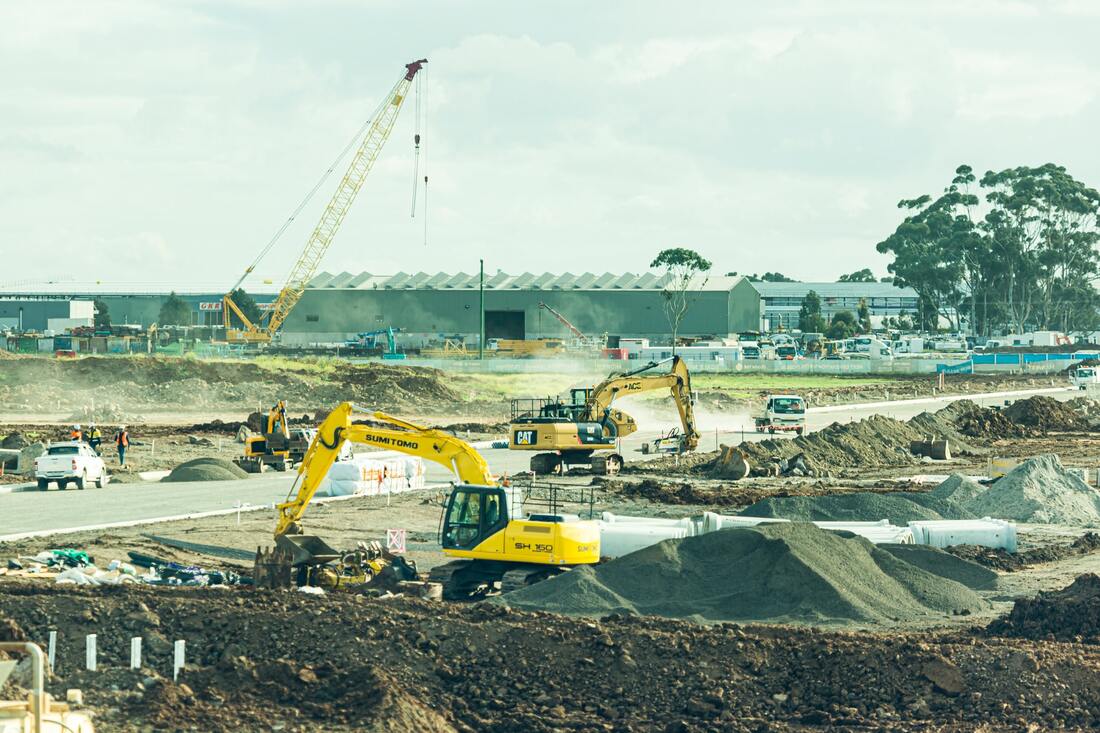
 troy-mortier-AieHOEGMKmk-unsplash Construction is an expensive business. Quality building materials, experienced workers, good safety practices and new equipment can all drive up the capital needed for a project. That's not even considering the costs of potential delays due to maintenance, weather or the occasional miscommunication. Finding ways to cut down costs can help improve margins or even make it possible to take on more projects. Lower expenses can also ensure you can keep your business running, even when the work doesn't go as planned. These five tips are some of the best ways to reduce costs without cutting corners on modern construction sites. 1. Use New Construction Tools and Techniques Material costs in construction tend to increase seasonally and each year. Combating these rising expenses can provide some extra breathing room in a company's budget. New approaches to material management can help you control these costs. For example, modular building lets your team take advantage of off-site construction and on-site assembly. This can potentially cut back on waste and reduce the total amount of material necessary for a given project. Because modular building can also help you shorten project build times, you may be able to save on labor, as well. Advanced tech, like new building information modeling tools, can also help here. With the right tool, you can lower the risk of mistakes or identify areas where you may safely reduce material usage. 2. Source Used Equipment Equipment costs can take up a major portion of any construction company's budget. Used machinery is often comparable in quality to new, while typically being significantly cheaper. You're also less likely to deal with depreciation costs when taking the preowned route. While used equipment may have different maintenance needs, good practices and on-site technicians can likely prevent any potential issues. Working with a reputable dealer will also ensure that any used machine is of high quality and in good shape. 3. Implement Preventive Maintenance Practices Equipment downtime can result in major costs. You will have to manage the expense of repairing the damaged or broken equipment, and you'll also deal with the cost of working around the failed machinery — or stopping work altogether. A preventive maintenance plan is an investment and may require a part-time mechanic on-staff. However, it can also reduce the risk that your operations are brought to a halt by machine failure that you could've seen coming. 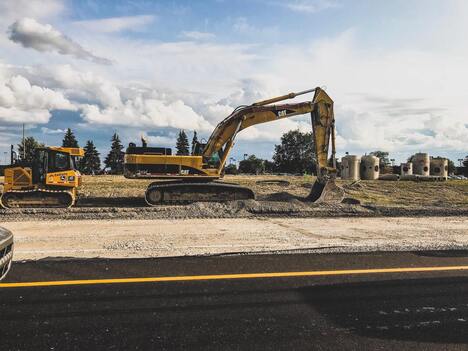 jamar-penny-ZgmGq_eFmUs-unsplash 4. Improve Office Staff Management Simple changes to office staff management can help significantly reduce costs. For example, cross-training your employees may lessen the need for temporary employees. Because of how expensive it is to bring on and train new hires, it may be cheaper to maintain permanent full-time or part-time workers for a set of tasks rather than use temps. Does your business have an off or slow season where you see significantly reduced project requests? Encouraging your administrative staff to take vacation time or reduced hours during these periods can also help you save on unnecessary on-site office expenses. 5. Identify Staff That Can Work From Home Offering optional remote work is also a popular way to cut down on office staff management's cost. The more team members work from home, the less your company will have to invest in office space. They will also have the added benefit of being able to telecommute some days and avoid driving. In some cases, you may be able to significantly cut down on the office space you need. This will decrease rent spending and reduce associated costs — like maintenance, lighting and environmental control. Most construction companies don't have strong WFH experience, and there may be an institutional learning curve to offering remote work options at your company. However, you'll be in good company if you make the switch. How Modern Construction Companies Can Keep Costs LowThese techniques are some of the best ways to cut down on costs on the modern construction site. Simple adjustments to workflows and purchasing processes can go a long way in helping your company reduce labor, equipment and maintenance prices. Author Bio: Rose Morrison is a freelance writer who covers construction and building design topics. She is also the managing editor for Renovated. Do you want to learn how to manage construction projects successfully?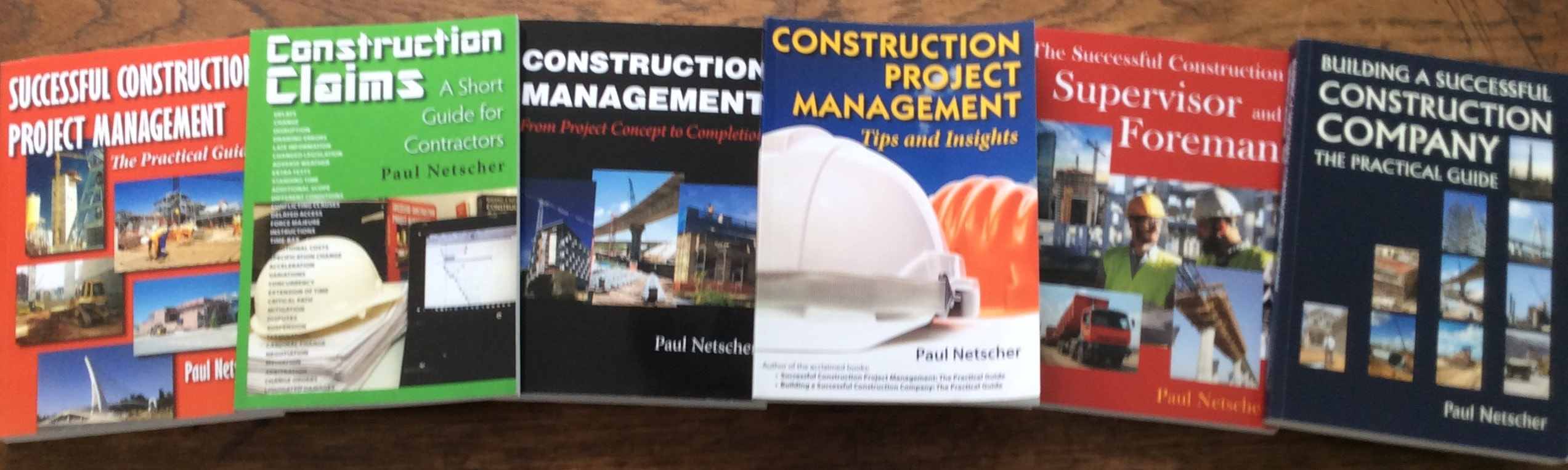 Click on picture to view books on Amazon Paul Netscher has written several easy to read books for owners, contractors, construction managers, construction supervisors and foremen. They cover all aspects of construction management and are filled with tips and insights.
Visit to read more. The books are available in paper and ebook from most online stores including Amazon.
0 Comments
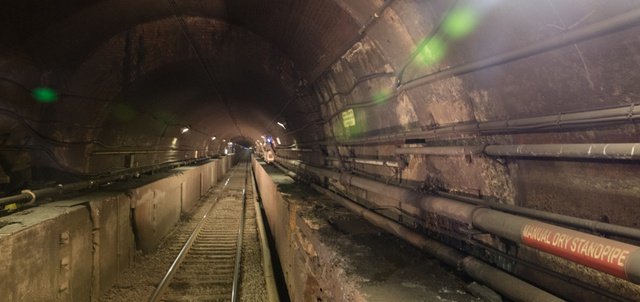 Disasters waiting to happen: 5 major infrastructure projects in need of repair From aging dams and deteriorating tunnels to deficient bridges and lead-filled drinking water lines, the U.S. has plenty of work to do when it comes to the quality of its infrastructure. Read more ➔ Fixing construction's racism problem will take an industrywide effort To eradicate bigotry on jobsites, the first step is to acknowledge it exists, industry leaders say. Zero-tolerance policies, bystander intervention and a 'racism rating' are some of their other ideas. Read more 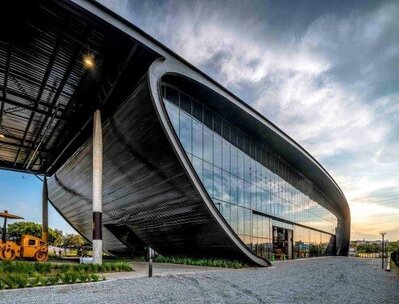 Racism on the jobsite: How hate erodes construction's bottom line Industry leaders say that eliminating racist actions and attitudes in construction is the right thing to do. Here are five other reasons. Read more  Image by F. Muhammad from Pixabay Report: Nearly half of America's deadliest jobs are in construction
Report: Highest-paying construction jobs that don't require a college degree
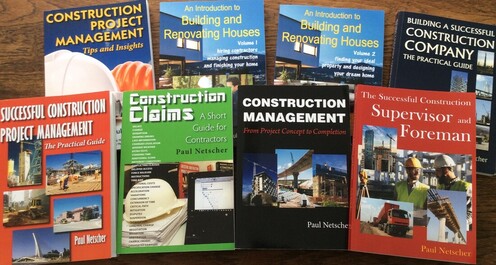
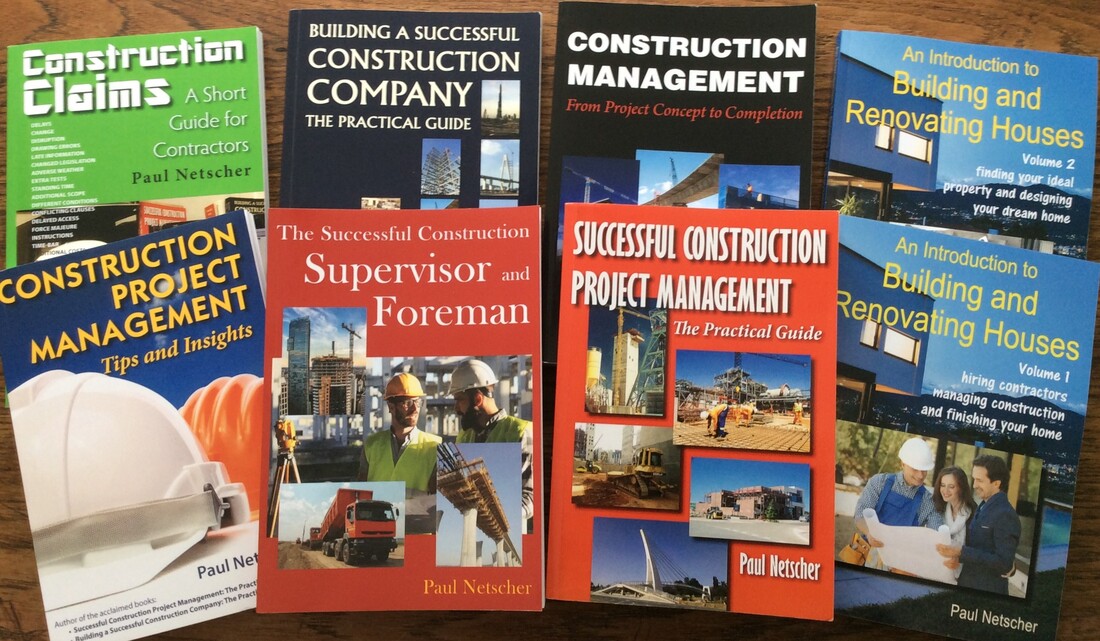
Do you want to learn how to manage construction projects successfully?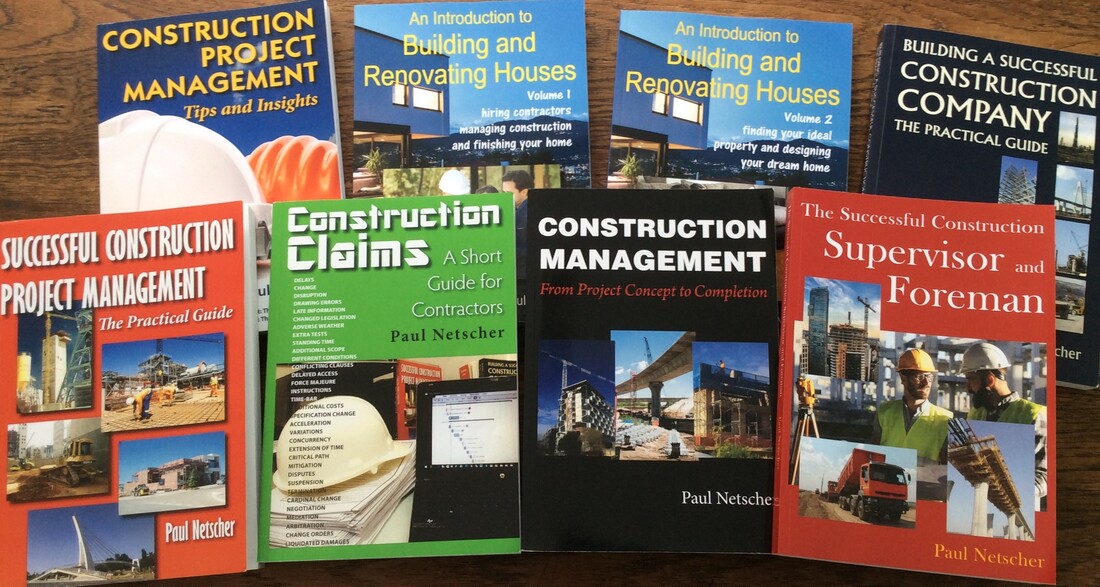 Click on picture to view books on Amazon Paul Netscher has written several easy to read books for owners, contractors, construction managers, construction supervisors and foremen. They cover all aspects of construction management and are filled with tips and insights.
Visit to read more. The books are available in paper and ebook from most online stores including Amazon. 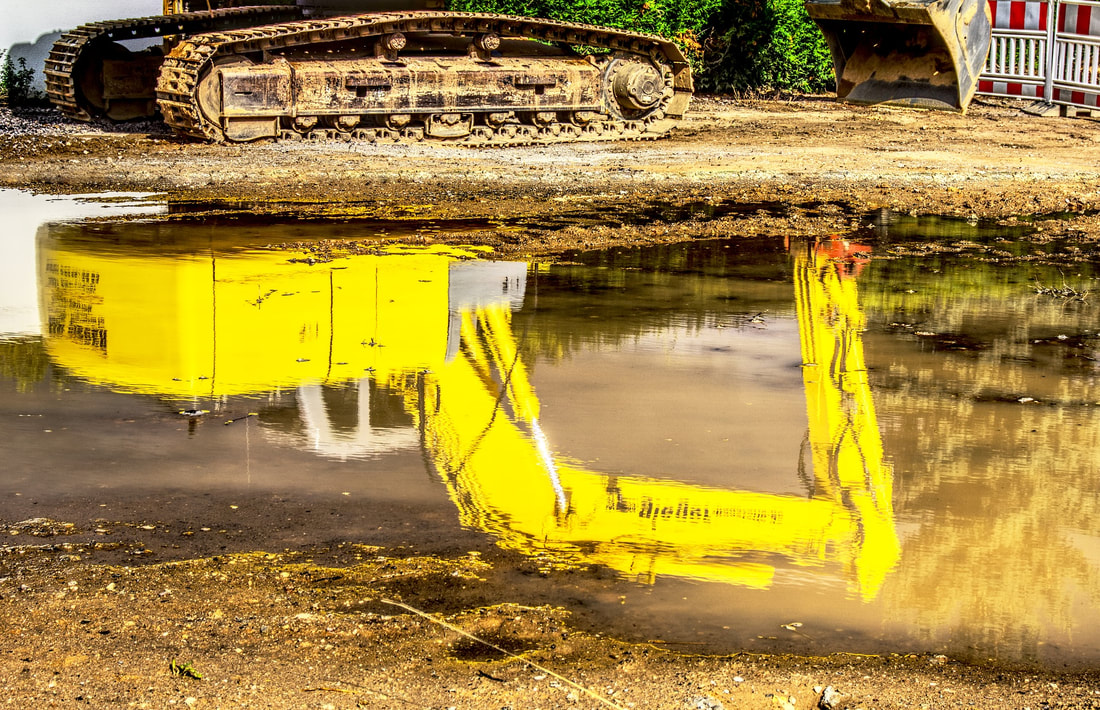 Image by Markus Distelrath from Pixabay Often construction projects are completed late and many contractors blame poor weather. Sure, inclement weather does delay projects, but can contractors mitigate the impact of the poor weather, or even avoid the worst impacts? Are contractors completely blameless when it comes to weather events? Now, I’m not talking about severe weather events like hurricanes, floods and tornedoes, which no amount of preparation can protect construction projects from, rather I’m talking about the normal seasonal weather. Should contractors have allowed for the normal rains, heat and cold that could impact their project before it’s completed? Contractors are an eternally optimistic bunch and never seem to allow for any weather-related impacts on their construction projects. But, is it reasonable to expect to work on a twelve-month long project and think you won’t encounter rain, winds, summer, and winter, at some stage in the course of your project? Contractors often put the blame on clients for their unreasonable project schedules and say it’s impossible to allow additional time for delays caused by rain – rain which is average and will almost certainly occur! Well that’s professional suicide if you knowingly accept a project construction schedule which doesn’t allow for the normal expected weather conditions which can be expected at that time and in that location. But some contractors make their life even harder by not taking even basic precautions to avoid weather delays. Is it possible to avoid, or mitigate, the impacts of some of the poor weather? 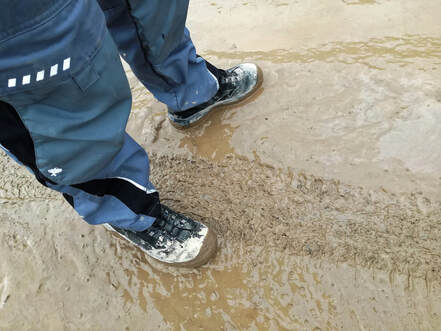 Image by Bruno Germany from Pixabay Minimising weather disruptions on your construction project There are several measures contractors can take to mitigate delays caused by poor weather. Some of these should be implemented when pricing the project, others when preparing the construction schedule, and of course many measures need to be implemented and maintained during construction. These include some, or all, of the following:
 Image by toodlingstudio from Pixabay Construction projects will experience poor weather so learn to deal with itWe can almost guarantee that most construction projects will be impacted by inclement weather. In many cases this shouldn’t be an excuse for delays. We can prevent, or at least mitigate, many of the delays by understanding the weather patterns in the area and allowing for these expected weather disruptions in our construction schedule. Proper planning can also mean that weather dependent activities are scheduled for times when better weather is expected. We should also implement mitigating measures to reduce the damage and return the project to full production as quickly as possible. Unfortunately, these days more projects are being interrupted by extreme weather events which couldn’t have been foreseen, and no amount of preparation could have avoided. Contractors shouldn’t be expected to shoulder the responsibility and risks of these extreme weather events, or weather that couldn’t have been reasonably expected on the project. Therefore, contractors should be cautious in accepting project contracts where they could be liable for delays caused by weather events beyond the norm. If the weather risks are too high learn to walk away from the project and don’t price the project. Although it may appear that weather impacts on construction projects are in the hands of the Gods, contractors still have some control over the damages they suffer and they are sometimes not entirely blameless for delays caused by poor weather. How has poor weather impacted your project? This article was first published on the ClockShark website. For construction and field service companies who want to get rid of paper time sheets, ClockShark is the GPS time tracking app that's both powerful and easy to use. Do you want to learn how to manage construction projects successfully? Click on picture to view books on Amazon Paul Netscher has written several easy to read books for owners, contractors, construction managers, construction supervisors and foremen. They cover all aspects of construction management and are filled with tips and insights.
Visit to read more. The books are available in paper and ebook from most online stores including Amazon. © 2019 This article is not to be reproduced for commercial purposes without written permission from the author.  It’s important for construction companies to build good relationships with their customers. Unfortunately many construction projects end in an adversarial position. It becomes ‘them and us’. Contractors view the client as out to get them, and customers often view contractors as a bunch of crooks. Yet, I’ve had many long successful relationships with some clients. They weren’t always happy with us, and nor were we always happy with them. We had our disagreements and arguments, but in most cases the construction project was finished well, issues were sorted amicably, and seldom did one party feel aggrieved. In fact in many cases we constructed further projects for the same customer – sometimes, even becoming their contractor of choice. Why it’s important for contractors to develop good customer relationsHaving a good relationship with customers often means the customer favours the contractor for their next project, sometimes even directly negotiating new projects with them, or even awarding projects to the contractor when their price isn’t the lowest. The customer is prepared to pay a premium to work with a contractor that they know they can trust and rely on to deliver their construction project on time and with good quality. Having a good relationship with a client often means the contractor can obtain the inside track on forthcoming construction projects, enabling them to be one step ahead of competitors. Knowing what the customer is really looking for has enabled us to strategically position our price presentation, ensuring that we answered the customers concerns, that we could demonstrate that we understood what was important to the customer, and we could portray our company as the best for the project. Construction projects are built with a team effort. A team that’s striving for one common goal to complete the project successfully. Projects are built on trust, with the client and the contractor helping each other and not out to trip each other up. Having a good relationship means the contractor understand the customer’s needs and focusses on delivering a project that fulfils these needs. It enables the contractor to put the right people on the project. Having a good relationship means that the contractor and the customer can talk through problems, present their concerns, and develop solutions. Issues can be resolved without resorting to lawyers because there’s already empathy and respect for the other party. A good relationship means that there’s open and honest dialogue. Good relationships reduce conflict. Good relations help resolve problems. How do we develop relationships with our clients in construction? Building good relationships depends on individuals, yet it’s also a team effort. A good relationship between a client and contractor can quickly be destroyed by one individual – perhaps the contractor’s project manager who has an argument with the client, possibly is rude, or lodges spurious claims. Good relationships are built on trust and honesty. They survive on delivering quality projects on time. Good relationships are built by talking, by working through problems, and most importantly by being sensitive to customers and their needs. Of course good relationships are a two-way street, and both the customer and the contractor have to build the relationship. Egos and personal gain destroy relationships. Even the best working relationships have to be worked on, so contractors should stay in contact with their past customers. Today many have a frenetic and busy life and past good relationships can be forgotten at the end of the project. It’s important to keep contact with customers, give a call, or even pop in for a coffee. What shouldn’t destroy relationships |






 |  |  |
Read my book 'Construction Management from Project Concept to Completion' to learn more about project managing your project to success.
Government are now in a rush to spend money on new construction projects in an attempt to create jobs and stimulate economies after covid 19. Have these been well thought through? Are they the best use of tax payer funds? Will there be long term benefits or will the next generation be paying for wasted expenditure? How many white elephants will be created - unused infrastructure and empty apartments?
See this article on white elephant projects. Read
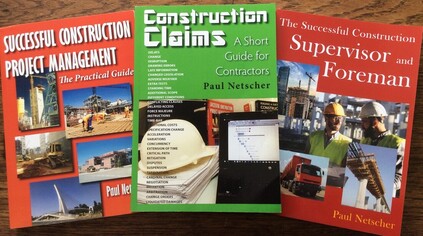
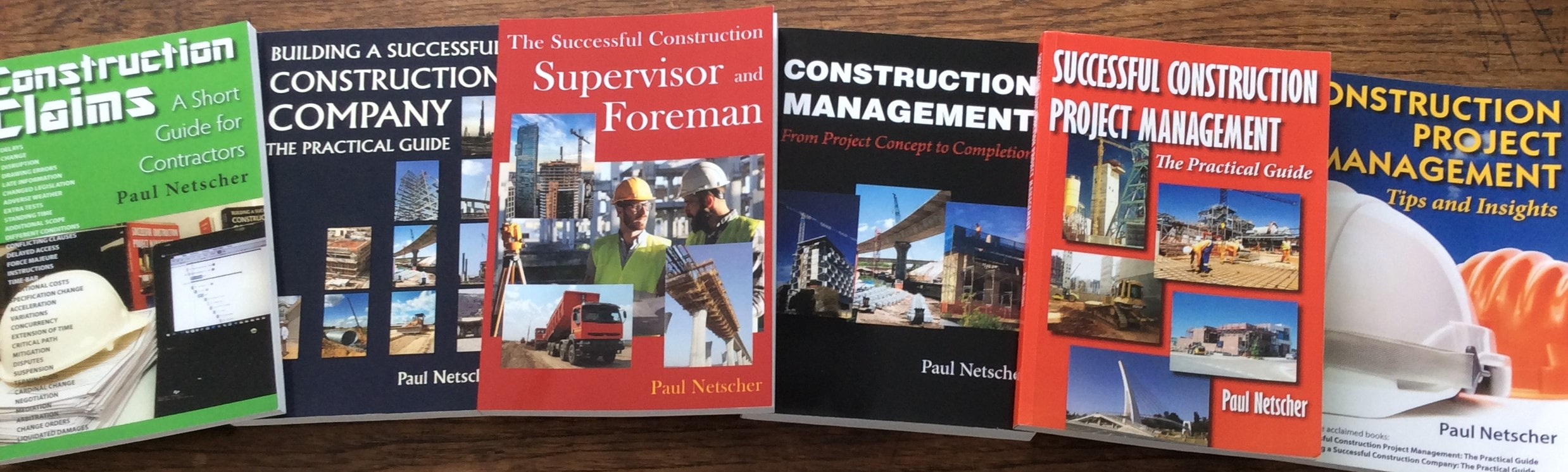
Do you want to learn how to manage construction projects successfully?
Construction Management from Project Concept to Completion provides tips and insights for clients and client side project managers so that you can ensure your project is a success

It’s important that everyone gets time off, time to escape from work, time to enjoy with our families. Many of us think that we’re indispensable to the project and company, but if you organise things properly there’s no reason you can’t escape the project for a few days. Anyway, after a few days away from work you’ll come back refreshed, recharged and more productive (especially if you limit, or even eliminate, emails and telephone calls while you’re away).
Not having time off will lead to health problems and it could result in family quarrels, problems at home and family unhappiness. This will impact your work, leading to lower productivity and even safety issues when you’re distracted by these problems. Regrettably, the construction industry has one of the highest rates of marriage breakups, mental health problems, stress-related illnesses, and suicides.
Of course, your team also requires time off work. They also need time with their families. They need a rest. But this must be managed so that nobody abuses the system, frequently taking time off and disrupting the progress of the project.
When to take time off in a construction project
Ill health can strike even the healthiest of us. This may simply be a cold or flu. Unfortunately, some are more prone to ill health than others.
Some illnesses are contagious, so having somebody coughing and sneezing their way around the office is sure to make others sick. It doesn’t take long for there to be a mini-epidemic on the project and suddenly there are half a dozen absent from work. If you’re sick, stay at home.
People who are ill are often on medication. Some medications can make you drowsy, and you certainly don’t want to be sleepwalking around the project – there will be an accident. Certain drugs can impair vision or slow reflexes, which could lead to accidents.
But as you know, when you’re feeling ill you’re not exactly enthusiastic about work, you’re tired and feeling horrible, so your productivity is reduced. Things take longer to get done. You make mistakes. Just how effective are you at work when you’re sick?
How effective is a sick person in your crew?
Stay at home when you’re sick. If somebody in the crew is sick they should rather stay at home.
Failing to take proper rest while you’re sick often means that you take longer to recuperate. But, worse, if you’re not careful the infection could spread through your body. Your simple dose of flu could spread to your chest and suddenly you have pneumonia, which will send you to the hospital, and in the worst case even kill you.
We like to think that we’re tough and we act the martyr and soldier on at work, no matter how sick we are. But, is this really fair to our fellow workers who could catch our infection? Is this a wise course of action, or a folly that could risk our lives and the lives of others around us.
A few days off work to recuperate from an illness may be just what you need to get better. The project won’t collapse without you, but it could be severely jeopardised if your condition worsens and you end up in hospital missing weeks of work.
Sometimes we have health problems that we suffer through and don’t get treated. We should go for an operation, see a doctor, or get special treatment. The cost of these treatments is the primary reason that we avoid getting the problem sorted. Then there’s the time away from work and usually the fear of doctors and hospitals which makes us stall the treatment.
So we live with the pain of a bad knee, the inconvenience of an eye problem, the discomfort of a small ulcer, or whatever. Of course, the problem isn’t going to fix itself and it’s only going to become worse and a bigger problem to treat. Get the problem sorted before it gets worse and is more difficult and more expensive to fix.
Time off for compassionate and family leave
From time to time, unfortunately, there are family health problems. Your mother, father, partner or kids could suddenly be taken ill, or need to be taken to the doctor. Are you going to be there to support them when you’re needed at home? Sure you can’t take time off work for every visit to the dentist or doctor, but serious family illness and emergencies will need your help. In an emergency, your partner will require support and comforting.
Conclusion
Companies allocate a number of paid vacation days. Usually, these days can be accumulated to the next year if they’re not used. But, that really defeats the object of vacation days, which are days to rest and days to spend time with your family. Maybe consider taking a vacation day next time your kid has a birthday or plays in a big game.
Do you know how many vacation days are due to you? The one thing I always did was take all the vacation days due to me, and even additional unpaid vacation time. My vacation was always important to me and I made sure I spent it far from work – yet none of my projects suffered.
Of course never be the Grinch that refuses your employees time off, or who forces them to come to work even when they’re really sick.
When did you last have a vacation? Have you recently spent quality time with your family?
For construction and field service companies who want to get rid of paper time sheets, ClockShark is the GPS time tracking app that's both powerful and easy to use.
Do you want to learn how to manage construction projects successfully?
The books are available in paper and ebook from most online stores including Amazon.
© 2019 This article is not to be reproduced for commercial purposes without written permission from the author.
Employee turnover and the fight to retain skilled people in construction
Indeed, we also don’t want to be paying people excessively high wages or promising them extra perks to stay, because this often only works with mercenaries who are only after money and have little company loyalty anyway. But, the high employee turnover is disruptive and costly. It’s said that employing a new person can cost between a month and six months wages, depending on their skill level and how easily the person can get onto the project.
How much does employee turnover cost construction projects and contractors?
Employing a new person entails additional costs such as the costs to recruit them, which could include advertising for the job, employing a recruitment agency, time to interview the person, and then the administration costs to complete all the paperwork. Then there are often costs for medicals and inductions. Probably the cost of company uniforms and personal protective equipment and the person usually has to be paid while they attend inductions and company training. Finally, the person can start work on the project, where they often take a week or more to learn what to do, what the project rules are and where they fit in.
When a person leaves their workload usually has to be taken up by others in the team until a replacement arrives. This results in additional stress and pressures which could lead to mistakes, shortcuts, poor quality, and even others within the team deciding the added pressure is too much and they also leave.
Obviously replacing someone who is useless, or is a troublemaker, or who don’t have the required skills is beneficial to the project.
Why are people leaving your company?
It’s therefore important to understand why people are resigning, then where possible put in measures to reduce the likelihood of more people leaving. People could be moving because of an abusive manager. People leave bad managers and supervisors. They may leave companies where they feel they aren’t being respected. Maybe they aren’t receiving a fair wage. Perhaps they don’t have the right tools or equipment, or the equipment keeps breaking. Possibly the working conditions are unsafe, or they have to work long hours, or away from their families. Sometimes employees are ‘poached’ by other companies, induced to work there with promises of promotion or better pay.
Talking to the person resigning may help dissuade them from going. Some employees move because they think that the grass is greener on the other side of the fence, but maybe they don’t fully understand the benefits of staying and the downside of leaving and working for another contractor. But, even not being able to dissuade them, it may be possible to improve conditions for those remaining so that they are less likely to leave the company for the same reasons.
Of course, good managers who understand and talk to their team will usually hear of problems and resolve them early before they’re a cause for unhappiness and people leaving the company.
Conclusion – keeping good people is essential for contractors
 Image by s m anamul rezwan from Pixabay
Do you have a loyal team?
How do you retain your good people?
For construction and field service companies who want to get rid of paper time sheets, ClockShark is the GPS time tracking app that's both powerful and easy to use.
Do you want to learn how to manage construction projects successfully?
The books are available in paper and ebook from most online stores including Amazon.
© 2019 This article is not to be reproduced for commercial purposes without written permission from the author.

In this article I some of the causes which result in construction projects losing money. These include:
# Poor productivity due to:
•Poor supervision.
•Low worker morale.
•Incorrect resources on the project - the wrong type or too few os some and too many of others.
•Production bottlenecks.
# Theft:
•Direct theft on the project.
•Suppliers and subcontractors claiming for stuff they did not deliver or work they have not done.
.Suppliers short delivering.
# Material wastage due to:
•Breakages from poor handling and installation.
•Storing materials incorrectly.
•Large quantities of off-cuts.
•Over ordering materials.
•Applying materials thicker than they should be.
# Ordering items that are the wrong specification.
# Non performance of suppliers or subcontractors.
# The project not completed on time.
# Poor quality work.
# Not invoicing the client for work done.
# Over payments of subcontractors and suppliers:
•Paying invoices twice.
•Forgetting to deduct discounts or previous payments.
# Not claiming variations and delays that you are entitled to claim, such as:
•Additional work.
•Change in specifications.
•Delays and disruptions.
.Client not fulfilling their obligations.
# A poor price estimate due to errors, not understanding project site conditions, wrong rates, not understanding the contract.
Ensure your construction project does not lose money
Of course it is important to have systems in place - project cost reports which are accurate - which give an early warning to project managers when their construction project is in trouble.
Knowing immediately that the construction project is losing money enables the project manager to take early action to prevent further losses and possibly even recover some of the lost money.
It is important to identify the real reason for project losses and not leap to the wrong conclusion and blame others - like the estimator - for the loss.
Do you want to learn how to manage construction projects successfully?
The books are available in paper and ebook from most online stores including Amazon.
© 2020 This article is not to be reproduced for commercial purposes without written permission from the author.

Do you know why?
Do you blame the estimator?
Do you blame your crew?
Do you blame the weather?
Do you hide the losses from your manager?
Do you shout and threaten those working for you?
Do you hope things will improve?
Do you run away?
Do you look for the real reasons?
When a project is losing money it is important to:
- Investigate where the money is being lost.
- Put in place steps to recover money and mitigate further losses.
- Stay calm.
- Be upfront with your manager.
- Ask for help if necessary.
- Be at the coalface.
- Don’t procrastinate – take decisive action.
- There is usually always more than 1 reason for losses.
- Get to the underlying cause and not just the symptom of the problem.
- Do not take the wrong action that will make things worse or negatively impact the project.
Do you want to learn how to manage construction projects successfully?
The books are available in paper and ebook from most online stores including Amazon.
© 2020 This article is not to be reproduced for commercial purposes without written permission from the author.
These are challenging times with Covid-19 impacting most countries and disrupting people's lives and livelihoods. The construction industry faces a number of challengers, including a possible decrease in growth which will increase competition making it harder for contractors to find work. How can you improve the chance of your company finding and winning new construction projects? How will your construction company get through these troubled and disrupted times?
Whether you are a construction company owner, a project manager, supervisor, craftsman, or even a general worker, these are scary times, and the thought of losing your company or your job is probably keeping many of you awake at night. It is up to everyone to keep your construction company busy. And yes, you can all make a difference as we will discuss below!
Who is responsible for finding new construction projects for contractors?
Contractors with a good reputation are more likely to win new construction projects than contractors with a poor reputation. Good reputations are created by producing quality projects safely, on time and with minimal fuss to the client. A good reputation is created by working well with clients, solving problems, being proactive and being a pleasure to work with. It’s the responsibility of everyone in the company to create this reputation. It only takes one poor worker to destroy a contractor’s good reputation with their bad work and attitude.
But of course winning new projects usually also requires your company to submit the cheapest price, or certainly a price which is competitive. How do contractors calculate the price of their work. Well usually it’s based on past experience. How productive were the crews on the last projects? How much material was wasted on the previous projects? How much did everything cost on the completed projects? So if construction crews worked efficiently on the last project then the costs on the project are lower, meaning that the price submitted for the next project is lower, which means that the contractor has more chance of winning the project. But if crews worked inefficiently on projects then the project costs increase, and if these same costs and productivities are used when the next construction project is priced it will inevitably drive the price of the project up and the contractor has less chance of their price being lower than the competitors’ prices. This jeopardises the contractor’s chance of winning further work. So it’s vital that everyone is productive and that materials aren’t wasted so that project costs are minimised. Not only will this ensure that the contractor is profitable but it will mean that the company wins more projects.
But finding work is more than this. It’s about knowing which clients have new construction work coming soon. Knowing this enables management to visit that client, to sell the company’s capabilities to the client, to ensure that the company has the opportunity to price the project. Who gets to hear of these upcoming projects? Well anyone and everyone. Those working on construction projects are at the coal face and get to talk to subcontractors, suppliers and the client’s team. Anyone of these could know of prospective clients and upcoming projects.
You and your team have friends and relatives in the industry. Everyone has connections. These connections could lead your company to their next project. So next time you’re at a family gathering, or chatting to friends over a beer, listen out for potential new construction works. Always be on the lookout for new projects and give the details to your manager to follow up.
Advertising your construction company
What makes your construction project stand out? Well as I said, it should be neat and orderly, so no litter in the streets, clear signage and barricading, minimal disruption to the public. A big signboard that’s placed straight and level with the company name. Neat fencing or hoarding. The site should look safe, so barricading on the edges of elevated slabs is essential.
But even your people are an advertisement for the company. Unfortunately they can also be a negative advertisement, harming the company’s image. If your workers clog the roads, fill the local lunch bars and shops, cussing and pushing, disrupting the general public, then people will get upset. Maybe one of those upset people is a prospective client who will remember your company for the wrong reasons, making sure they don’t ask your company to price their next construction project.
Do you say good things about your company, or are you whinging and criticising management? Who is listening to you saying bad things or perhaps even telling people how your company is ripping off their clients? Possibly one of those in earshot is a prospective customer who will now give their project to another contractor.
What are people in your team saying about the company? Is it a good place to work? Are they proud of the company? Are they portraying an image of a professional construction company? What are they saying about their supervisor and about company management – hopefully good things?
Does your team have a company uniform with the company logo? Do they look professional? Or are they a ragtag bunch in a mismatch of torn and dirty clothing?
Company equipment and vehicles are an excellent form of advertising – they are mobile billboards. Or are they? Well if the truck is bashed and scraped and dirty, what image does that portray of your company? If the driver of the vehicle is rude and operates the vehicle dangerously, or breaks the road rules, what does that say about your company? How many potential clients are your company vehicles offending? But, clean and new equipment with bold company logos are a good advertisement for your company. I’ve had clients compliment us on our shiny new equipment. Regrettably, I’ve also been criticised for items that continually broke on a project. Clients want to know that equipment working on their projects will be reliable and safe.
Social media and construction companies
There will be bad days when the company equipment broke, when your boss was annoying, or when head office personnel let you down. It’s easy to become annoyed with your company and fire off negative comments about the company. But, this can have consequences for the company which may impact your future. Be proud of the company you work for. You are part of a team. Tell everyone what a great company you work for and not only will the word get to prospective clients, but others will want to come work for the company. Good companies and good managers attract good people. Every construction company is desperate to attract the best skilled people. Good people make your job easier.
Everyone must work together to secure the next construction project
Securing the next project and continuing work is a team effort and it requires the cooperation of everyone. Everyone needs to be promoting the company and looking out for the next construction project. Securing the next construction project is vital to the survival of the company and it will help provide continued employment for many in the crew.
Are you helping your company find and win their next construction project?
Every employee is responsible for the success of their company.
For construction and field service companies who want to get rid of paper time sheets, ClockShark is the GPS time tracking app that's both powerful and easy to use.
Do you want to learn how to manage construction projects successfully?
The books are available in paper and ebook from most online stores including Amazon.
© 2019 This article is not to be reproduced for commercial purposes without written permission from the author.
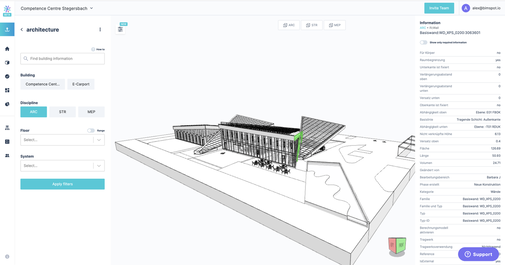
To gain advantage from new technologies, we have to say goodbye to analogue processes and old-school tools. The good news is that the building industry has already taken the first steps towards this big revolution with Building Information Modelling (BIM).
What is BIM all about
However, the most important thing when we talk about BIM, the process and cultural change, has been neglected for many years. But now, the misconception that BIM is the evolution of CAD has largely been dispelled, and the path of revolution in the construction industry towards collaboration and transparency is unstoppable.
Companies across the industry are throwing old processes, business cases, contract models and silo mentality out the window to enter a new era of buildings, the era of BIM.
BIM (Building Information Modelling)
Let me explain where we at bimspot see the enormous potential and how we understand BIM. In order to gain a broader perspective, let's first reduce Building Information Modelling to its three initial letters.
The "I" of BIM
The "I" for information is the core concept of BIM, but is also the biggest problem area of CAD. The concept itself is tremendously different and that's why we should not see BIM as an evolution of CAD. Rather, it is a 180° change in the way of thinking about buildings. During a building’s life cycle, a large amount of various kinds of information accumulates, which must be exchanged, evaluated and reused by a high number of stakeholders.
All this information, its geometrical nature, physical data or movement data from an already operated building can only be evaluated and validated in the overall context. The usual CAD planning processes cannot provide this overall context, because they are based on separate local systems of all participants and are only exchanged and validated at certain intervals.
BIM, on the other hand, takes a completely new approach: all the information is entered in 3-dimensional digital models and constantly shared with all participants via the cloud. This allows a direct insight into the current status of the project, and, in contrast to conventional planning, does not have to be interpreted first, which requires lots of technical knowledge and experience.
To sum up, the "I" gives us the possibility to gain a deeper understanding of the current status of the project, to evaluate it in the overall context of the building and to use it directly in your particular use cases.
The good news is that there is already a pretty good but also complex data schema, called IFC, out there. IFC enables a software independent exchange of our data.
The "M" of BIM
However, in order to understand BIM holistically, it is necessary to look at the "M" in two different interpretations. In the classic definition of BIM, the M stands for "modelling", i.e. the process of generating the 3D BIM models.
This refers primarily to the planning phase, in which the majority of models are created by planners. If we interpret the "M" for management, a much broader field opens up and explains why BIM managers are indispensable for those projects to ensure a proper and successful venture.
We have already defined that BIM is mainly about information that is created in a modelling process. However, in order to generate data in a targeted manner and based on the needs of the project and its participants, a sophisticated management is necessary to activate the well-known potential behind BIM.
As part of the process, we can expect highly valid and conceptualised data. This, in turn, will give us the optimal basis for decision making at any given phase of the project, thereby increasing quality and helping us safely reach our goals.
These changes in the planning, construction and operation of our buildings bring about a high degree of transparency and thus demand an enormous cultural shift; strictly separated partial services and contracts are to be replaced with joint, highly communicative ways of interdisciplinary cooperation.
Each of us who takes part in these processes has dependencies on other involved stakeholders. This transparency and cooperation creates a win-win situation.
The "B" of BIM
Last but not least, we have to illuminate the "B" around the scope of this method. We are no longer talking about the keywords planning, construction and operation of a building or the medium "drawing" as in CAD.
We are always talking about the entire building, regardless of project phases or the phase in the life cycle. Each operation in our buildings therefore refers to the one true data source, the BIM model, the living result of the process behind it.
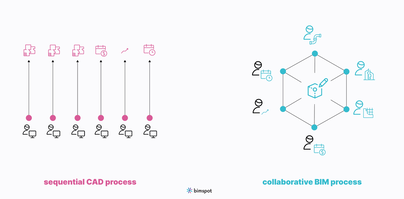
A holistic approach to BIM
The holistic view on the digital twin gives us contextualised data with which we can make our decisions based on reliable data, decisions that will affect our buildings and thus all of us.
What does BIM mean then?
This is more powerful than the change to CAD and enables us to better understand the complex interdependencies in a building and thus increase our quality. Let us continue to develop the exciting field of BIM together and build a better and more sustainable environment.
Do you want to learn how to manage construction projects successfully?
The books are available in paper and ebook from most online stores including Amazon.

Why a good reputation is essential for contractors
A good reputation is essential to procuring additional work.
What should contractors do to develop a good reputation
- Delivering quality work which meets the project requirements, standards and specifications and which is aesthetically pleasing.
- Completing construction projects on time. Clients will often pay a premium to ensure that their project is completed on schedule. A contractor’s reputation depends on them delivering construction projects on time.
- Minimal fuss. Problems take time and money to fix. Problem contractors take time and effort to manage. Clients prefer contractors who get on and do the work, completing the construction project efficiently and professionally. They want contractors that take action to prevent problems from occurring, that solve problems and that don’t create unnecessary problems. Who can blame them? We all want minimal fuss and problems in our lives.
- A good safety record. Construction accidents cost money, they cause delays, create paperwork and need to be investigated, and they may result in the construction project being shut down by the authorities. Clients hate additional work created by poor safety and accidents. But accidents, injury and death also creates bad publicity. Clients hate bad publicity. In fact, many client’s senior management are paid performance bonuses which depend on the safety record on their projects. A poor safety record will negatively impact their bonuses, so some client managers definitely avoid employing contractors with a poor safety record.
- Good people. Good people includes people who are diligent, that are hardworking, that take pride in their work and that have the skills and knowledge to deliver a quality project. Some clients even award projects to companies on condition that certain people or teams are used on their construction project – people that the client knows are reliable. Clients don’t want troublesome people on their projects, workers that may behave badly and disturb the neighbours and cause problems on the construction project with other contractors, the client’s employees or the general public.
- When the client believes that they are getting value for money. Nobody wants to think that they’re being ripped-off. No one wants to think that their contractor is taking advantage of them, charging them too much or stealing from them. Unfortunately some contractors have a reputation for submitting spurious and inflated variation claims which they aren’t entitled to claim.
- Helpful and knowledgeable employees that add value to the project.
- Responsiveness. Returning the client's phone calls, providing information when required, and fixing defects when they are detected.
- Professionalism. A professional team, including suppliers and subcontractors. An orderly construction project with minimal waste and disruption.
- Taking responsibility. Responsibility for workers, subcontractors, suppliers. Taking responsibility for mistakes.
Contractors can easily undo a good reputation
A successful project with a happy client is an advertisement that will often reap more benefits for a construction company than money spent on advertising. A bad project and a poor reputation can quickly undo all your advertising.
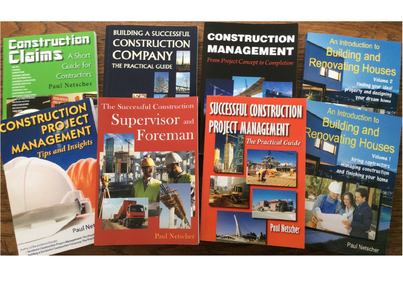
Do you want to learn how to manage construction projects successfully?
This article is from information in his books, 'The Successful Construction Supervisor and Foreman' and 'Successful Construction Project Management: The Practical Guide'.
The books are available in paper and ebook from most online stores including Amazon.
© 2020 This article is not to be reproduced for commercial purposes without written permission from the author.
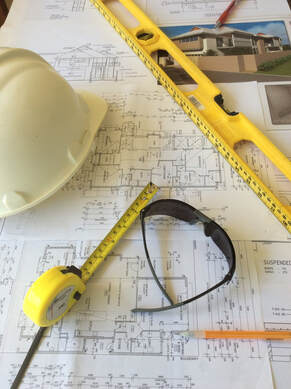
Construction projects often go wrong due to poor planning and preparation
- The planning phase of a new construction project is the most important phase of the entire project.
- It’s where Project Managers decide how they will construct the project, what resources will be required, and they prepare the contract schedule.
- Clients will pressure the project manager to start work immediately. Indeed, the contractor’s construction schedule often leaves no time for planning and the schedule usually assumes construction will start immediately.
- A Project Manager needs to stay calm and focused, and work through the planning phase in a methodical and structured way to avoid becoming overwhelmed and making wrong decisions.
- Many of the problems encountered during construction are a result of poor planning, and poor decisions taken at the start of the project. Placing orders with the wrong supplier or subcontractor, ordering the wrong equipment, deciding to use cranes which are too small or too short, committing to unachievable completion dates, a poor schedule sequence, submitting the wrong paperwork, or under resourcing the project will all have profound consequences on the project, and may be difficult to remedy later.
- The extra hours spent on making good decisions at this stage will definitely be hours well spent.
Before starting your construction project
- Read and understand the project documentation
- Make notes
- Know the client’s obligations
- Understand your obligations
- Understand the project limitations
- Familiarise yourself with the scope of works
- Visit the project site – understand the restrictions and constraints, check the access. Consider what equipment is best suited for the conditions.
- Prepare a management organisational chart and recruit your team
- Meet with the client’s team – understand their concerns and priorities
- Understand how the project has been priced.
- Develop the project construction methodology
- Prepare a project construction schedule
- Prepare deliverables required by the client before work can start
- Arrange project insurances
- Plan site access
- Review the construction schedule with the methodology, milestones and resources. Is this the best schedule?
- Order long lead items
- Plan construction facilities and get client permission for locations
- Order facilities, materials and equipment to start the project
- Resource the project to suit construction methodology, schedule, client requirements, available skills, local productivity, hours of work.
- Arrange site services – water, power, etc
- Notify the relevant authorities
- Prepare quality plans
- Prepare safety plans
- Understand project risks and review them.
- Check what’s changed from pricing documentation. Notify the client of possible variations.
- Apply for permits and notify authorities.
- Set up filing and drawing management systems.
- Arrange project signage.
- Order project stationary.
- Appoint subcontractors that are required early in the project.
- Put in place early works contracts and resources.
Proper planning before starting construction will yield dividends
Please like, share and comment.
This article is from information in the author's book: 'Successful Construction Project Management, The Practical guide'. Find out more about this book
Do you want to learn how to manage construction projects successfully?
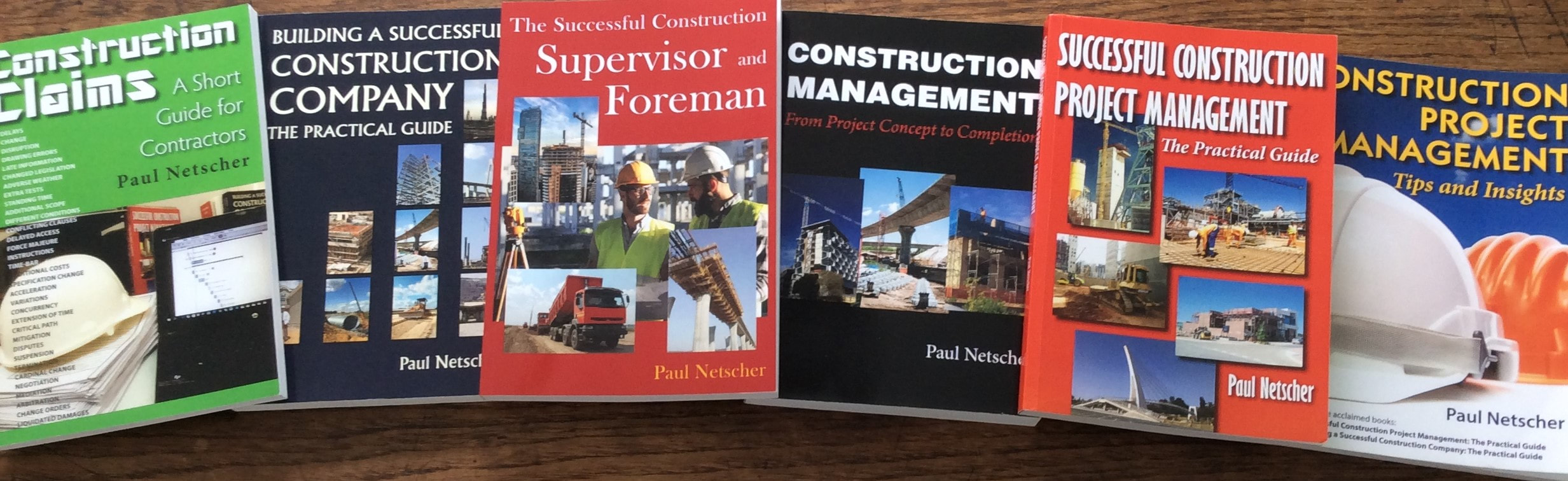
The books are available in paper and ebook from most online stores including Amazon.
© 2020 This article is not to be reproduced for commercial purposes without written permission from the author.
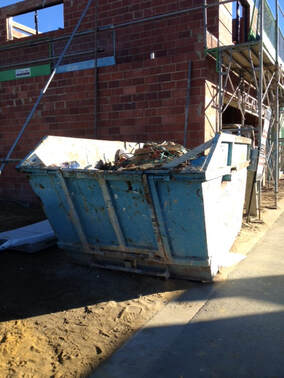
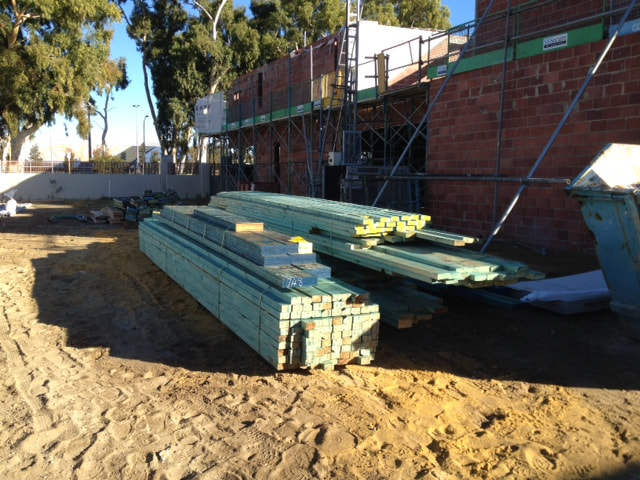
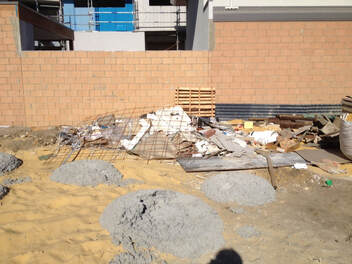
In an effort to reduce these costs some contractors resort to dumping the rubbish illegally on vacant lots, which could result in monetary fines and bad publicity, as well as incurring the costs to clean up the mess when they’re reported to the authorities. This is environmentally insensitive – would you want some contractor dumping construction waste in your neighbourhood, would you want your rates and taxes used to clean up someone else’s rubbish? Anyway, some construction waste is dangerous. Asbestos could blow into neighbouring properties, kids could be cut on broken glass and ceramic tiles, and farm animals could choke and die from ingesting plastic, all of which could lead to legal action against the offending contractor.
Other contractors choose to bury construction rubbish on the project site. This is also illegal and will upset clients should they uncover the rubble while they’re landscaping their property or building other structures. Indeed they’re entitled to call the offending contractor back to clean up the mess, or they could deduct the clean-up costs from the contractor’s retainage money or their bonds.
Some rubbish, such as paints, oils, and asbestos, must be disposed of correctly in special locations. Mixing these materials with the general waste on the project will contaminate all the rubbish, requiring all the material that is now contaminated to be disposed in special locations at additional costs.
Construction waste could include packaging from construction materials (including cans, plastic, pallets, timber, strappings and polystyrene), damaged materials which can’t be used, defective work that had to be demolished, broken materials, offcuts, excess materials, materials which were mixed and went hard before they could be used, vegetation which was stripped from the project site, topsoil, unsuitable ground and rock, excess ground from excavations, rubble from existing structures which had to be demolished, as well as the usual trash from workers, such as food wrappers, cans and more.
Avoid costs by reducing construction waste with these 14 tips:
- Separating recyclable materials (sometimes scrap steel can even be sold to generate additional income).
- Shredding and chipping vegetation to use as mulch in the landscaping.
- Ensuring that the correct quantities of materials are ordered so there’s no waste.
- Reducing the breakages of materials during handling and installation.
- Ensuring that good quality is achieved and mistakes aren’t made so that work doesn’t have to be broken down and rebuilt.
- Ordering materials in the right sizes to limit wasted offcuts (or plan cutting to reduce offcuts which can’t be used).
- Ensuring that good materials don’t become contaminated with rubbish (every time a pile of rubbish is moved on projects invariably dirt becomes added to the mixture creating more rubbish to be gotten rid of).
- In some cases, where there are lots of demolitions it may be possible to crush the building rubble and use it as fill material behind walls, under floor slabs and in roads (with the design engineer’s permission).
- Stockpiling topsoil to be used for landscaping at the end of the project. Indeed topsoil is often a valuable commodity if it’s uncontaminated. If advertised it might even be sold, or at the least, it will be collected free of charge by someone needing topsoil.
- Seeing if there are other construction projects in the area that could use the excess ground generated from your excavations.
- Only mix a sufficient quantity of material which can be used in the time before the material becomes hard.
- Storing materials properly so they aren’t damaged by wind, rain, heat or construction equipment.
- Some suppliers may be willing to take back some of their packaging, especially reusable pallets.
- Some products like timber may be useful for charitable organisations. Even advertising leftover products for free may get the neighbours taking them off your hands. Of course, always ensure the products aren’t contaminated and don’t have nails or screws sticking out that could injure somebody.
Look around your construction project
Have a look in your project’s skip waste bins and rubbish piles. You might be shocked at what you see. There could be several hundred dollars of good materials and equipment being thrown away. Consider how you could reduce the amount of waste. How can you save money on your project and improve the environment by managing the waste on your construction project better?
How much trash will your project send to the dump?
This article was first published on the ClockShark website.
Please like, comment and share this post.
Do you want to learn how to manage construction projects successfully?
The books are available in paper and ebook from most online stores including Amazon.
© 2019 This article is not to be reproduced for commercial purposes without written permission from the author.
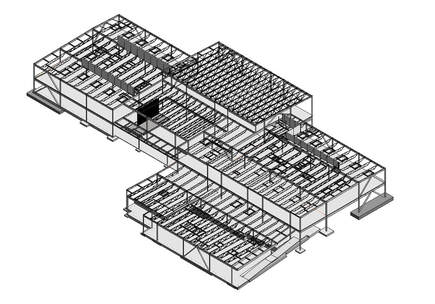
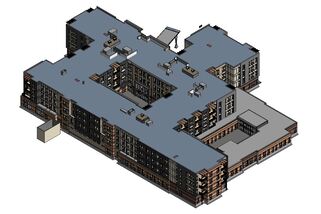
When we talk about effective project management while a construction project is undertaken, it is BIM technology in current times which is bringing about the effective changes. Some noteworthy aspects to be considered are:
- Analysis and Decision making: BIM makes available different 3D visualization and analysis to designers and engineers, thereby empowering with better decision making abilities. BIM has created a way to bring about feasible yet beneficial solutions to any/every problem that arises like changing materials, orientation, energy consumption details etc.
- QTO: Different project teams and managers are assisted by the Quantity-Take-Off (QTO) made available through the BIM Model. Such data helps them to revise their decisions throughout the entire lifecycle of the project and submit an effective alternative at any time. This is achieved by the estimations which arise when different BIM models and databases are integrated.
- Constructability: The BIM process used in the construction industry allows easy monitoring of construction projects and also facilitates quick reviewing of constructability of a property or project.
- 4D BIM/Time: Having 4-dimensional BIM services for general contractors and engineers, they can evaluate and analyse the entire progress of the project and thereby gauge different phases a project might have and then appropriately forecast the results of their decision and bring about modifications.
- 5D BIM/Cost: Under 5-dimensional the stakeholders bring about the pertinent cost evaluation of the entire project and then find the lowest possible cost solutions befitting every party involved.
- Clash Detection: One of the major challenges that different disciplines face is the inconsistencies or clashes which crop up among different geometrical designs of these disciplines. Such a thing occurs due to overlap between varied design plans or their feasibility with the overall project; such discrepancies are resolved by involving BIM technology. With these different models/plans like Plumbing BIM, Electrical BIM etc. are bought at a shared space like cloud and resolved by modifying inferences as and when they arise.
About the blog sponsor/Author:
ASC Technology Solutions ASC Technology Solutions is a leading BIM outsourcing company in India. They cater to the Architecture, Engineering, and Construction Industry.
Website URL: www.asctechno.com
Please like share or comment
Do you want to learn how to manage construction projects successfully?
The books are available in paper and ebook from most online stores including Amazon.

Disputes also arises when one of the parties believes that the other party has acted unfairly or they have been prejudiced in some way.
Why construction disputes are bad
- They are time consuming
- They often involve lawyers so they are expensive. Read this case: $3.6M in attorney fees atop $600K suit. Here a subcontractor launched a claim for $3 million against the contractor. The subcontractor has so far paid lawyers $4 million to pursue the claim while the contractor has spent $5 million defending the claim over 13 years. With appeals still to come the fees on both sides are likely to escalate further.
- They can be lengthy to resolve – often months and even years and frequently resolution is after the project is complete. See this article where a claim for $37 million has dragged on since 2005 and in 2020 the courts made a determination which will probably still be appealed. The original contract was signed in 1999.
- They damage relationships between client and contractor.
- As long as a variation is in dispute the contractor isn’t paid and the client could even impose penalties on the contractor for late completion.
- They often disrupt the project.
- They may end badly for the contractor.
Avoiding construction disputes
- Seek expert advice when necessary.
- Understand if what you are fighting for is worth the risk, effort and cost.
- Keep emotions out of your decisions.
- Keep your management informed.
- Do not fight the unwinnable.
But disputes can be avoided if:
- Your variation claims are clear, fair and right.
- You have kept accurate project documentation.
- You are willing to engage and negotiate with the client.
- You try the cup of coffee approach.
- You ask for expert help when necessary.
- If the client’s responsible person is unprepared to budge you may be able to meet with their manager or even talk to the client directly.
- It may be possible to come up with other solutions to help the client.
Understand your contract document
Make sure you understand these procedures before declaring a dispute.
Litigation under foreign law and in another country can be vary complicated and costly.
Want to learn more about construction claims?
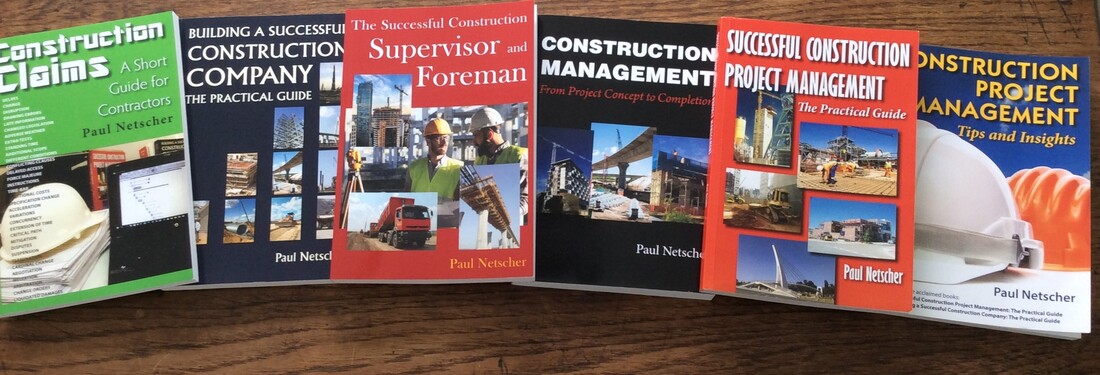
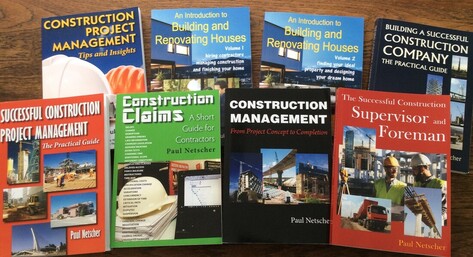
Construction Claims: A Short Guide for Contractors, written by Paul Netscher is an easy to read simplified guide that gives an overview to construction claims.
"An excellent, concise and very practical guide to successful claims process. This is a no nonsense approach that gets on with it. Packed full of valuable advice for both sides - contractor and employer. 'Short' in the title should not be mistaken for lack of valuable content - this is a cracking book. I also have the authors other books which are equally good. Highly recommended." (Reader Amazon UK) *****
"Objective with very clear text, demonstrating full knowledge of the reality during construction's works." (Reader Amazon.com) *****
This useful article from Batch Mewing Lawyers Force Majeure In Construction Contracts: Tips And Traps provides more information on Force Majeure and whether your project is entitled to claim for delays caused by Force Majeure.
It's vital that you get your delay claim correct.
Want to learn more about construction claims?
Construction Claims: A Short Guide for Contractors, written by Paul Netscher is an easy to read simplified guide that gives an overview to construction claims.
"An excellent, concise and very practical guide to successful claims process. This is a no nonsense approach that gets on with it. Packed full of valuable advice for both sides - contractor and employer. 'Short' in the title should not be mistaken for lack of valuable content - this is a cracking book. I also have the authors other books which are equally good. Highly recommended." (Reader Amazon UK) *****
Is there conflict on your construction project?
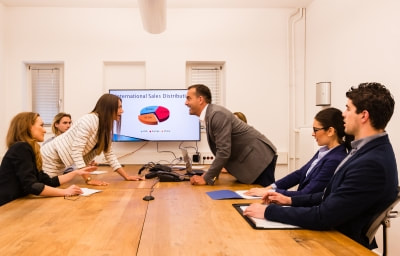
A construction project is a melting pot of egos, personalities, and cultures. It’s a stressed environment with everyone trying to do the best for themselves and their company, while getting the job completed as quickly as possible, often in difficult circumstances while working long hours.
Why There is Conflict on Construction Projects
You have to be tough on suppliers and subcontractors who aren’t delivering. But this must be done without yelling and swearing (regrettably I was often guilty of this). It’s important to explain why you’re unhappy and what’s unacceptable.
Of course, there will always be some that make you angry. Some will be blocking access. Mistakes will be made. The wrong materials will be used, or materials you ordered for a task will go missing or have been wasted elsewhere on the project.
Equipment will be damaged. Some will unfairly hog equipment, like cranes, so that your tasks are kept waiting. It’s good to be so passionate about the work that you care when others are impeding you. But, don’t fly into a rage. Understand that often others are also passionate about getting their work done. Others on the project are also stressed.
Often, they aren’t even aware of the impact their actions are having on your work or the project. Explain logically what the problem is and more importantly how the problem should be resolved.
Sure, you can show your displeasure and tell the person what impact their actions are having on your works so that the situation should be avoided in the future. But you also need to understand that completing the project is a team effort and the project isn’t complete until all sections of work are complete.
Unquestionably, there will always be some incompetent managers and supervisors, there will be some idiots on the project, some managers and client’s representatives will be irritating with poor knowledge and little experience. Construction is like that. There are many who shouldn’t hold the position that they do, but you have to learn to work around them. If need help them.
Tripping them up is seldom going to benefit you other than the short-term satisfaction it may provide. Obviously, never be so assured in your knowledge and self-esteem that you aren’t prepared to listen to the other person. None of us are so perfect that we can’t learn something new, or a new method of doing things.
Sometimes even young and inexperienced managers may see things differently and come up with an innovative solution you hadn’t considered before, so first think before you raise an objection or flat-out no. Even idiots can sometimes surprise!
Avoiding disputes on your construction project
Arguing something where you’re wrong will invariably escalate the situation making it worse. Certainly, if the other person is wrong then tell them why they’re wrong. Be prepared to argue your case in a clear logical manner without becoming emotional or personal about it – even if the other person is throwing personal insults. Sometimes arguments are over stupid small things. Consider if it’s really worth your time and effort to argue some silly point or misdemeanour. Some arguments are best walked away from.
Sometimes though problems can’t be rationally resolved, the other person is never going to understand your point of view. In these cases, it may be necessary to involve a third party to settle the dispute.
Conflicts within your construction crew
Unfortunately, from time to time we get troublemakers in our team, or maybe just somebody that’s obnoxious and gets people’s backs up. If the person is unable to change their behaviour they may have to be moved elsewhere, possibly have their employment terminated.
There will also sometimes be clashes of personality, someone does not see eye to eye with another. It’s important to understand why there’s a problem. If it’s because of racial, ethnic or any form of discrimination it’s important to stamp it out immediately, and the person being discriminatory should be warned to discontinue the behaviour or disciplinary action will be taken. If it’s simply a clash of personalities and neither party is prepared to back down then one of the workers may have to be transferred to another crew. But always try and talk through the problem with the two people.
Talk to others in the crew to check that there isn’t another underlying cause that you’ve missed, a matter that could perhaps arise later in another form. Sure, sometimes it might seem like you’re a policeman, a psychologist, a judge, jury, and even sometimes like a parent, but unfortunately being a project manager, construction supervisor or foreman is all of these and more.
Conclusion
Is there conflict on your project?
This article was first published on the ClockShark website.
Please like, comment and share this post.
Do you want to learn how to manage construction projects successfully?
The books are available in paper and ebook from most online stores including Amazon.
© 2019 This article is not to be reproduced for commercial purposes without written permission from the author.
It’s terrible when there’s an accident on a construction project, especially if someone is seriously injured. None of us really wants to think about an accident so often we and our crew are unprepared when an accident strikes. Yet being prepared for the worst, and having our crew prepared for an accident may just be the difference between life and death for someone.
Construction is an inherently dangerous occupation and regrettably, accidents regularly occur on construction projects and they strike unexpectedly, even on safe and well-managed projects.
Often time is of the essence when there’s an accident. Emergency services must be contacted and they must have directions to get to the scene of the accident as quickly as possible.
What to do when a construction accident happens
Does everyone on your construction project know who to contact in the event of an accident? Some projects are spread over large distances – can crews contact emergency services in the case of a construction accident? Sometimes small crews are left after hours to finish off work – will they be able to call for assistance if there’s an accident? Work crews must have access to a working telephone or radio. Note that some projects in the country, particularly in hilly areas, may have parts of the project without mobile telephone reception so always ensure that workers can communicate in the event of an emergency.
Providing every worker with a safety card of emergency numbers, including the contact details for company managers, which they keep in a wallet or pocket will mean that emergency numbers are always close at hand. Add the project address to the card so the person can immediately tell emergency services where they are. Even have new project workers input these numbers into their cell phone (mobile phone) during their inductions.
2. First-aid facilities
Fully equipped first-aid kits must be available at key points on the project. These locations should be clearly signed so they can be found in an emergency. Unfortunately frequently items are removed from first-aid kits and they aren’t replenished, so the temptation is to lock the kits away. However, it’s vital that first-aid kits are easily accessible in an emergency, even after hours. It won’t help if the first-aid kit is in an office on the ground and the crew is working on the fifteenth floor of a high-rise building, or the kit is in a vehicle that has left the project on an errand.
Of course, it would be terrible to open a first-aid kit in an emergency to find that it is incomplete and critical items you require aren’t there. It’s therefore important that first-aid kits have a list of their contents. The kit must be regularly checked and missing items replaced.
Some products have expiry dates and these should be checked and expired products replaced. Preferably there should be a first-aid register to record treatments given and the products used. This register could be key to tracing treatments provided should the treated person’s condition deteriorate. It also serves as a way to track what products have been issued from the kit.
There should be at least one trained first-aider on all projects and preferably only they should draw items from the first-aid kit. The work crew should never be allowed to take items from the first-aid kit unsupervised unless it’s an emergency. Anyway, all items removed should be recorded.
Why don’t you attend a first-aid course? Your new knowledge could save a life – at work, even at home, or anywhere at any time. Don’t stand helplessly when there’s an accident – an understanding of first-aid could help you save a life.
Serious construction accidents
In the event of a serious accident the injured person should be removed from immediate danger. Emergency services should be contacted. Someone should be sent to meet the emergency services, possibly to the project entrance or nearest road intersection, so they can direct the ambulance or fire tender to the scene. Emergency first-aid should be applied.
Shut down operations in the area. Ensure the area is safe. This could include shutting down power and gas supplies. If the accident is on a road set up warning signs and barricades to stop or divert the traffic.
Before the ambulance leaves find out where they’ll be taking the patient. Secure the injured person’s personal effects so that nothing goes missing.
Management should be notified. The client should be notified. Always take photographs of the accident scene as soon as the situation is under control. Note the names of witnesses. For serious accidents and incidents cordon the accident area off. When there are serious injuries and death the authorities will have to be notified, which could include the police and the department of health and safety.
Where the injured person is a union member their union will have to be notified. Insurers should be notified where there’s damage to a building, equipment, or someone that doesn’t work for your company is injured. The next of kin of the injured should be notified of the accident and which hospital the person has been taken to.
After the accident
All serious incidents and accidents should be properly investigated.
Only a designated company spokesperson should talk to the media so that there’s one version of the events. Your crew should not talk to the media.
Conclusion good treatment is essential and time is of the essence
This article was first published on the ClockShark website. To visit this website and continue reading the article click on the link above.
Please like, comment and share this post.
Do you want to learn how to manage construction projects successfully?
The books are available in paper and ebook from most online stores including Amazon.
© 2019 This article is not to be reproduced for commercial purposes without written permission from the author.

So now hopefully you are ready for your meeting with the client.
Make sure you arrive on time. It's rude to keep people waiting, it wastes everyone's time and it creates a bad impression. You can be sure that if you arrive late you have irritated the client and they be less sympathetic to what you have to say in the meeting.
It goes without saying that you should arrive at the meeting with the minutes of the last meeting in your hand, as well as the documentation and answers that you required for the meeting. Have something to take notes.
Try and cleanup before the meeting. It doesn't mean putting on a tie or jacket, but at least look respectable and professional. Believe it or not our work and competence is often judged on whether we look professional.
Construction project meetings
As I said in the article last week, project meetings are often a good time to discuss concerns and issues with the client's project team.
At the start of the meeting raise any corrections to the previous meeting minutes. As mentioned it's not necessary to be pedantic and raise issue with spellings and grammar, but do correct the spelling of names if necessary. It is important that the facts as discussed at the last meeting have been fairly recorded and that there aren't additions in the minutes which weren't discussed.
During the meeting make your own notes of important discussion points and answers. Not only is this a record so that you can check the meeting minutes when they are issued, but they remind you of stuff that you need to action when you get back to the project.
Ensure you provide the correct information and answers at the meeting. Remember the meeting minutes are a record which could be later used to prove or refute a variation claim. Don't guess answers. If you're not sure of something then rather say so and commit to providing the answer after the meeting.
If you have questions or things to discuss then ensure you raise them under the relevant agenda items.
Don't make promises at the meeting, or commit to dates, without giving proper consideration to what you are committing to and whether you can deliver on the promise. Don't be pressured into committing to something you're not sure is doable. Rather ask for time to check and get back with a commitment. This doesn't mean that you are obviously obstructive or evasive. Just be sure of your answers. You may even choose to provide a qualified answer that you will probably achieve the date, but you must first check when you get back to your office and confer with others before providing a definitive answer.
Avoid getting into petty arguments. If you are wrong, then admit it and move on. I've had construction managers working for me who have argued points when they were wrong. Even dragging them over to several following meetings, so the embarrassing item appeared in several meeting minutes. Learn to move on.
Of course when you are right and the item is contractually significant then make sure you provide clear and correct answers and that your point of view is recorded in the minutes even if the client does not agree.
The meeting should never be a shouting match, even if others are disrespectful at the meeting. Always stay calm and have your say. If your say is not accurately recorded in the meeting minutes then put the points in a letter afterwards.
Don't talk over others and listen to what others are saying
After project meetings
If there were decisions made at the meeting which have time or cost implications then ensure these are recorded. Get official client instructions where required, or lodge variations as necessary.
Get back to the client's team with any answers or information you promised to provide at the meeting. Provide the missing information as soon as possible so you don't forget. Anyway efficient response provides the team reassurance that you reliably provide information when you don't have the exact answers at the meeting.
Conclusion - construction project meetings are important
It is therefore important to be prepared for the meeting, to check the previous meeting minutes carefully and report corrections and see that these are recorded, then to act professionally at the meeting, with calm and dignity.
Remember the meeting minutes are often read by higher authorities, both from the client and even your managers. Try and ensure that your actions do not reflect poorly on your company.
Project meeting minutes are a valuable record and they must be correct.
Please like, share and comment.
Do you want to learn how to manage construction projects successfully?
The books are available in paper and ebook from most online stores including Amazon.
© 2020 This article is not to be reproduced for commercial purposes without written permission from the author.
|
|
|
|
Archives
January 2024
September 2023
July 2023
May 2023
March 2023
January 2023
October 2022
August 2022
June 2022
May 2022
March 2022
January 2022
December 2021
November 2021
October 2021
September 2021
August 2021
July 2021
June 2021
May 2021
April 2021
March 2021
February 2021
January 2021
December 2020
November 2020
October 2020
September 2020
August 2020
July 2020
June 2020
May 2020
April 2020
March 2020
February 2020
January 2020
December 2019
November 2019
October 2019
September 2019
August 2019
July 2019
June 2019
May 2019
April 2019
March 2019
February 2019
January 2019
December 2018
November 2018
October 2018
September 2018
August 2018
July 2018
June 2018
May 2018
April 2018
March 2018
February 2018
January 2018
December 2017
November 2017
October 2017
September 2017
August 2017
July 2017
June 2017
May 2017
April 2017
March 2017
February 2017
January 2017
December 2016
November 2016
October 2016
September 2016
August 2016
July 2016
June 2016
May 2016
April 2016
March 2016
February 2016
January 2016
December 2015
November 2015
October 2015
September 2015
August 2015
July 2015
June 2015
May 2015
April 2015
March 2015
February 2015
January 2015
December 2014
November 2014
October 2014
September 2014
August 2014
July 2014
June 2014
May 2014
April 2014
Categories
 RSS Feed
The opinions expressed in the attached articles are those of the writer. It should be noted that projects are varied and different laws and restrictions apply which depend on the location of the contractor and the project. It's important that the reader uses the supplied information taking cognisance of their particular circumstances. The writer assumes no responsibility or liability for any loss of any kind arising from the reader using the information or advice contained herein.
Books are available from:
Amazon.com
Amazon.co.uk
takealot.com
kalahari.com
Amazon.in
Amazon.de
Amazon.fr
Amazon.it
Amazon.com.au
Powell's
Fishpond
uread
bokus
Amazon.ca
Amazon.es
Other retail stores
Available in paperback or on Kindle